

9Views 0Comments

8 Top Tokyo Spring Festivals: Sakura and Other Pretty Stuff
Spring in Japan isn’t just cherry blossoms and pretty picnics — although you’ll get a hearty dose of both.
Let the season regale you with striking fire rituals on mountain slopes, dragons coiling through temple courtyards, and neighborhoods rocking to the rise and fall of mikoshi.
From full-volume matsuri that take over streets to flower extravaganzas that might just give sakura a run for their money (gasp), here are the best Tokyo spring festivals worth planning around.
Shibuya Official Street Go-Kart in Shibuya Annex – 55% off!
Enjoy a 1 Hour karting experience on the city roads of Tokyo, with up to 55% discount this month!
Feel like a celebrity as this course will take you through the famous Shibuya Crossing more than once.
When is spring in Tokyo?
In Tokyo, spring effectively runs from early March to early May.
Weather-wise, this is when temperatures lift into comfortable daytime highs and outdoor events become pleasant again.
Culturally, it’s when the festival season ramps up, starting with early shrine rituals and flower festivals, peaking around cherry blossom season in late March and early April, and carrying through to large-scale traditional festivals starting around May.
1. Cherry blossom festivals
Mar. – Apr.
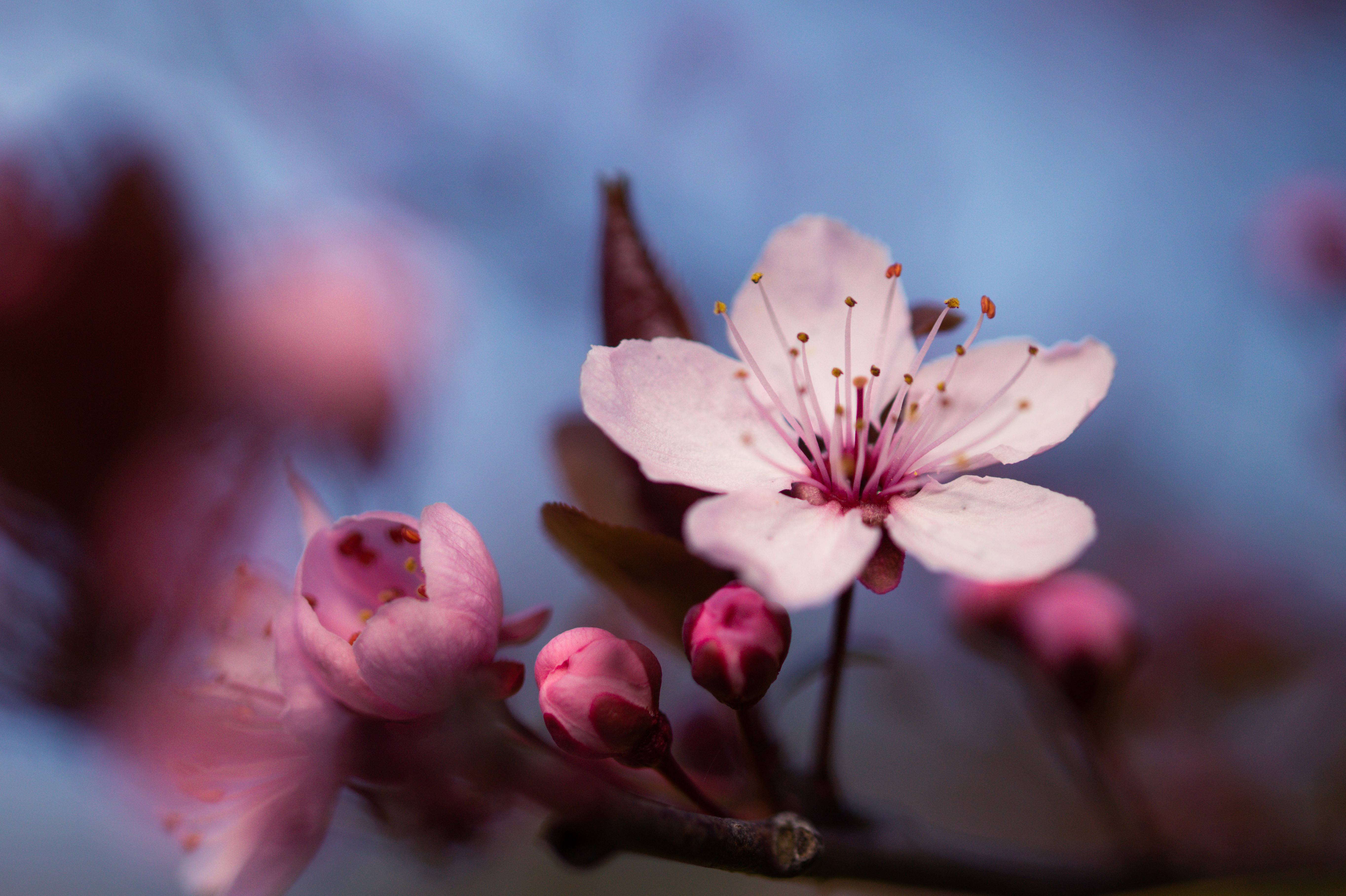
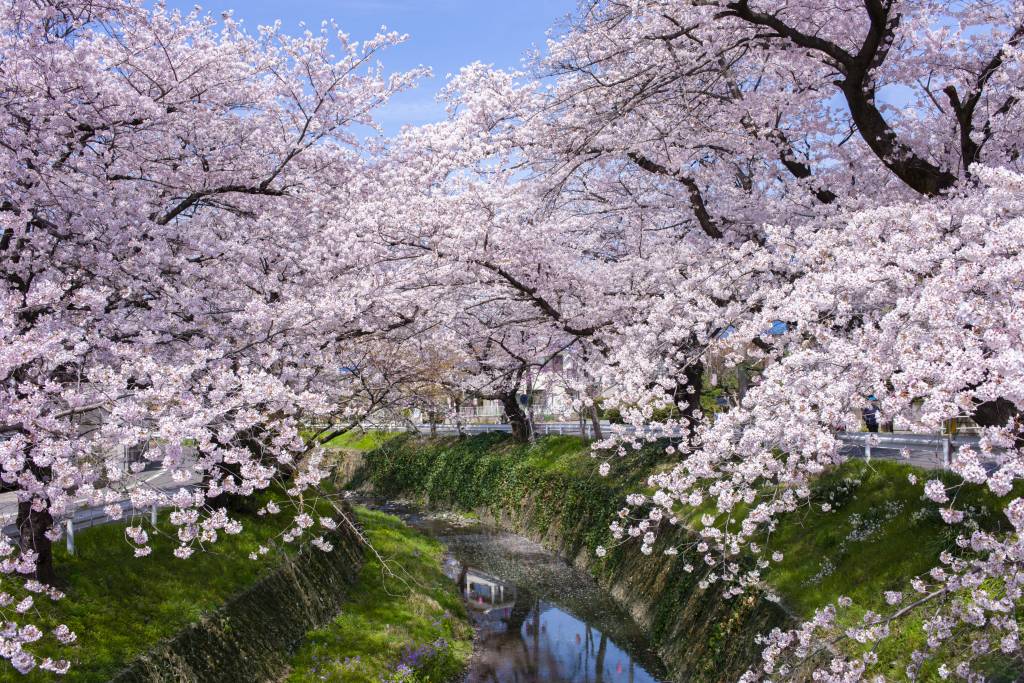
Okay, so we came out swinging, but the truth is that the various cherry blossom festivals that pop up throughout Tokyo and its fringes are a genuine highlight of the season.
Ueno and Nakameguro are among the most popular festivals, and they are generally worth the hype.
Our top tips to get the most out of cherry blossom season? Go early, pick a weekday if at all possible, and keep your eyes tree-wards even when you’re not at one of Tokyo’s major parks. Some of our favorite sakura moments have been the random, unexpected ones you just stumble upon.
2. Other spring flower festivals
March onwards (depending on the flowering conditions)
Flower festivals are a major part of Tokyo’s spring calendar, even if they don’t draw the same all-consuming crowds as cherry blossom season. From late March through May, parks and shrine grounds fill with color as tulips, azaleas, nemophila, and poppies come into bloom, each taking its turn over a few weeks rather than peaking all at once.
Navigate Japan Like a Local [Never Get Lost]
Navigate Japan’s transportation as the locals do! Using Sim Local’s eSIM on AU’s network. Access real-time maps and train schedules instantly — Get 5G Speed internet connection like a local, forget roaming fees, and explore seamlessly. Use code CHEAPO10 and save money! …
Shōwa Memorial Park in Tachikawa is all about scale, with tulips, nemophila, and poppies rolling out one after another across a huge park that’s easy to spend all day in.

| At the door: ¥450 | ||
Nezu Shrine’s Azalea Festival is busier but just as beautiful, with a hillside of pink and red azaleas, red torii gates, food stalls, and weekend performances drawing crowds at peak bloom.

| At the door: ¥500 | ||
3. Mt. Takao Hiwatari fire festival
Mt. Takao Hiwatari 2026: Mar. 8
Free
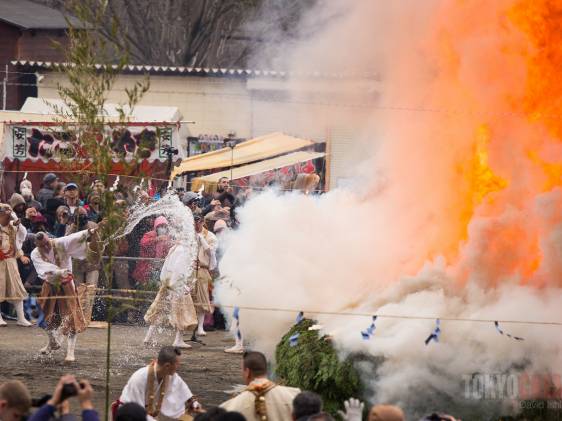
Held at the base of Mt. Takao, mountain ascetics conduct prayers and ceremonies before walking barefoot across hot embers at this festival. The rite is believed to protect, purify, and guarantee good health.
Just watching is intense enough, but you can also line up to take part. The fire-walking for visitors is closely supervised and takes place after the flames have died down and the embers have been flattened, so it’s not as dangerous as it sounds. But participation is still at your own risk.
Challenge Sumo Wrestlers and Enjoy Lunch
Eat, train, and fight like a real Japanese sumo wrestler during this sumo demonstration and authentic ‘Chanko Nabe’ (hotpot) meal.
The festival takes place on the second Sunday of March, with ceremonies beginning around 1 p.m. It’s held a short walk from Takaosanguchi Station on the Keiō Line, just across from the Takao 599 Museum.
Mar 8, 2026
Free
4. Golden Dragon Dance (March)
Golden Dragon Dance 2026: Mar. 18
Free
On March 18, and again on October 18, a massive, shimmering golden dragon is carried through the Sensōji temple grounds and along Nakamise Shopping Street, twisting, dipping, and rearing above the crowd in a tightly choreographed procession.
March 18 marks the day Sensōji was founded in the year 628, after a statue of Kannon was pulled from the Sumida River. Legend has it that Kannon descended from heaven as a golden dragon, hence the spectacle.

Mar 18, 2026
Free
5. Kamakura Festival
Kamakura Festival dates 2026: Mid-Apr. (April 13 in 2025)
Free
The Kamakura Festival is a calmer, more ceremonial take on spring matsuri, centred on Tsurugaoka Hachimangū Shrine and Wakamiya Ōji. The main draw is a portable shrine procession, backed by traditional music and dance.
Events spill into the following weekend with outdoor tea ceremonies and a rare chance to see yabusame horseback archery. It’s a good pick if you want something traditional and well-paced. It’s also easy to combine with temple visits, a look at the Great Buddha, or a wander around Kamakura.

Free
6. Meiji Shrine Spring Festival
Meiji Shrine Spring Festival 2026 dates: May 2 and 3 each year
Free
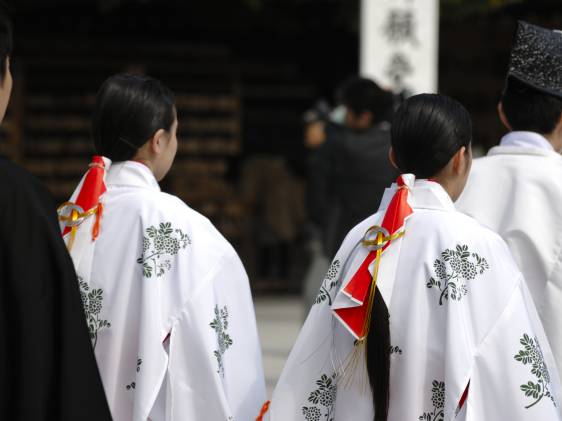
Held during Golden Week, the Meiji Shrine Spring Grand Festival is a rare, concentrated showcase of Japan’s classical performing arts. Over two days, the shrine’s forested forecourt features performances from masters of their fields just steps from the main hall.
Demonstrations range from court music and dance to Noh and kyōgen theatre, traditional ensemble music, solo instruments like the Satsuma biwa, and even live kyūdō archery demonstrations.
Free
7. Sanja Festival
Sanja Festival dates for 2026: Mid-May
Free
The Sanja Festival is Asakusa at its most chaotic. Held over the third weekend of May, it’s one of Tokyo’s three great Shinto festivals — and easily the rowdiest — drawing massive crowds for three days of portable shrine parades.
What sets Sanja apart is the way the mikoshi are carried: bounced hard, swung aggressively, and sometimes even ridden, despite that technically being off-limits.
Fundoshi-clad bearers compete for dominance as the shrines are hauled through Asakusa’s streets, while spectators pack in shoulder to shoulder to watch it all unfold. And if you time your Tokyo trip right, you can be among them.

Free
8. Sannō Festival
Sannō Festival dates for 2026: Early or mid-June
Free
Held in even-numbered years, it’s ANOTHER one of the city’s three great Shinto festivals.
The highlight is the main procession, which winds through central Tokyo from Hie Shrine, passing landmarks like the Imperial Palace, Ginza, and Tokyo Station.
With portable shrines, musicians, and elaborately costumed participants moving through some of the city’s most modern districts, the contrast is striking. Later in the festival, Bon dances bring a more relaxed, local feel to the area around Tameike-Sannō.

Free
Tokyo spring festivals frequently asked questions
Let us answer your lingering questions.
When is the best time for hanami (cherry blossom viewing) in Tokyo?
In Tokyo, cherry blossoms typically peak from late March to early April, with many festivals and light-ups scheduled around that window. Exact dates shift slightly each year depending on the weather.
How crowded are plum blossom festivals compared with the sakura season?
Plum blossom events usually run from early February into March, and while popular spots can attract steady visitors on weekends, they’re generally less crowded and more relaxed than peak cherry blossom hanami, especially at smaller venues and weekday mornings.
What are the “big three” traditional Shinto festivals in Tokyo?
Among Tokyo’s major spring matsuri are Sanja Matsuri, one of the most raucous three-day celebrations; Kanda Matsuri, known for its procession of portable shrines in odd-numbered years; and the Sannō Matsuri, a grand parade weaving through central Tokyo in even-numbered years.
While we do our best to ensure it’s correct, information is subject to change.
Get our Tokyo Cheapo Hacks direct to your inbox
-

Visiting PokéPark at Yomiuriland: Gotta Plan It All
February 4th, 2026 | Aarohi Narain
Get ready for an epic day out.
-
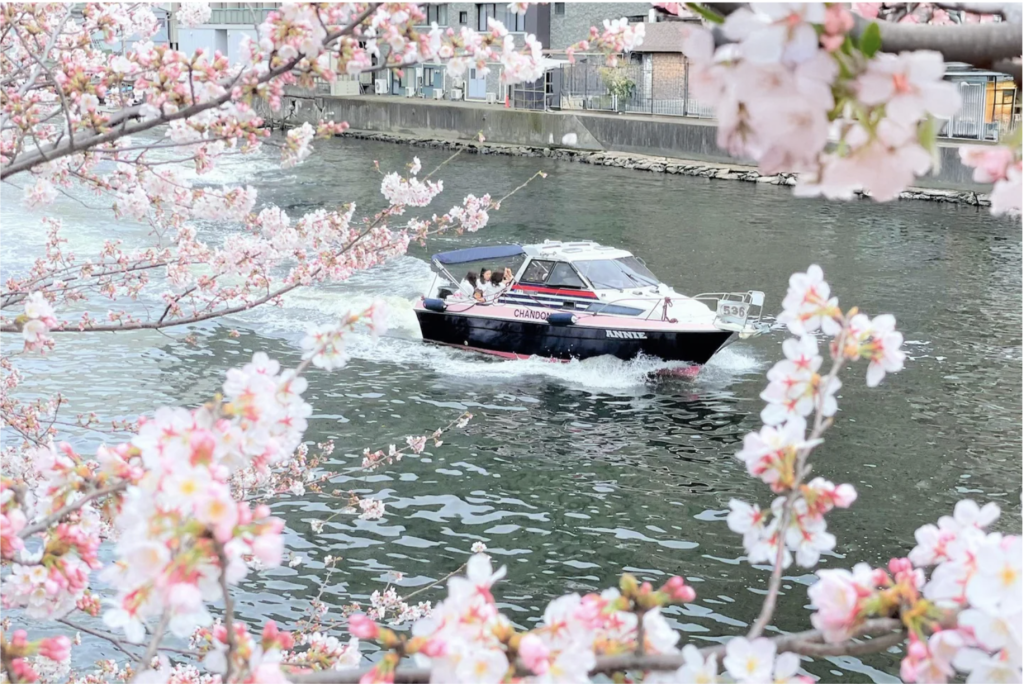
There’s a Sparkling Wine Sakura Cruise in Tokyo
February 3rd, 2026 | Carey Finn
Feeling fancy? This is fancy.
-

Tokyo Events This Week: Setsubun, Collectibles, and Flower Fests
February 1st, 2026 | Patrick Balfe
Tokyo events for Monday, February 2, to Sunday, February 8, 2026.
-
Cherry Blossom Timeline: From Bud To Bloom
January 29th, 2026 | Carey Finn
Once the sakura trees start flowering, how long do you have to see them?
-

Where To See Plum Blossoms in Tokyo: 2026 Bumper Edition
January 26th, 2026 | Tiffany
Step aside, cherry blossom: the humble plum is here.
-

Mega Guide: 24 Best Places To See Cherry Blossoms in Tokyo
January 26th, 2026 | Carey Finn
Choose from parks, traditional gardens, mountains and more.
-
Budget-Friendly Ski Packages for the 2025-2026 Season
January 26th, 2026 | Lucy Dayman
Special deals and steals for the slopes, until March-April.
-

2026 Tokyo Cherry Blossom Dates — Updated
January 22nd, 2026 | Adriana Paradiso
The (new) latest info on when to hanami around the capital — including Yokohama and Chiba.
-
Going to a Sumo Tournament in Tokyo: A Practical Guide
January 22nd, 2026 | Jane Pipkin
So many kilograms, so many questions. We answer them with our first-hand experience.
-
February 2026: 8 Events Not To Miss in Tokyo
January 20th, 2026 | Alexandra Ziminski
Enjoy Setsubun, early cherry blossoms, Lunar New Year, kawaii monsters — and more.
-
 Japanime Art Gallery Tokyo
 -
 Highway to Hot Springs: Tokyo to Kusatsu Onsen by Bus
 -
 The Best Pocket Wi-Fi for Visiting Japan — Compared
 -
 Go-Karting in Tokyo: What To Know Before You Book
 -
 Morning Sumo Practice in Tokyo—Everything You Need To Know
 -
 First-Time Harajuku Itinerary: Fashion, Street Food, and More


