

19Views 0Comments
Après-Ski Guide: What Is It and Where to Do It
What is après-ski?
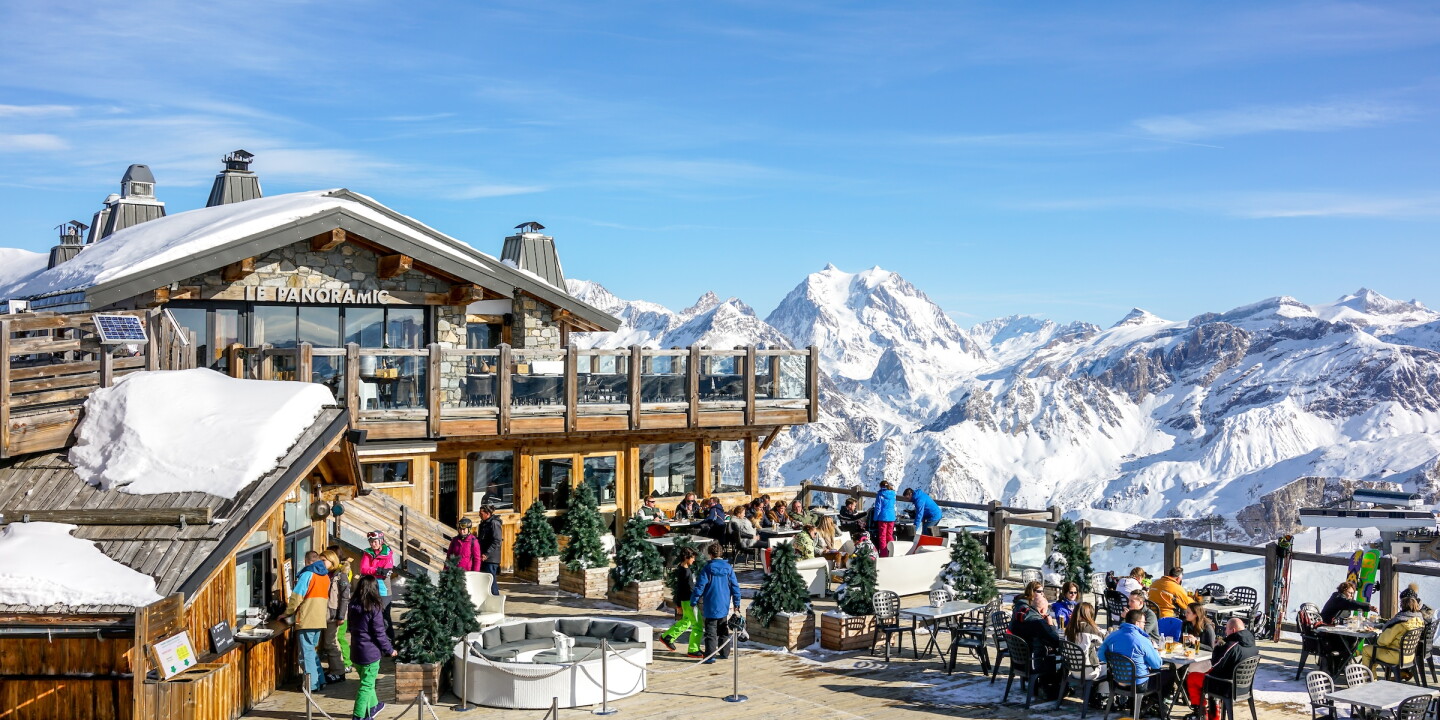
Après-ski is a French term that means “after ski(ing)”. The phrase was made popular in the Alps during the rise of commercial skiing in the 1950s, and today, après-ski is an umbrella term for popular post-ski activities. It can refer to champagne toasts on slopeside terraces in Chamonix, France, as well as kicking back around a firepit with a couple of craft beers in Breckenridge, Colorado.
There’s no official time frame for “après ski,” though it usually starts in late afternoon—say, around 4 p.m. after you’ve finished for the day (there’s a superstition that you should never call it your last run because it’s bad luck)—and can keep going well past dinner. Nightclubs in ski-heavy parts of Austria have been known to party until 6 a.m.
Think of après-ski as a happy hour of sorts, one that has the potential to last late into the night. While après-ski customs and culture vary from place to place—ski resort atmospheres can run the gamut from laid-back to ultra posh—it’s common for your snow gear to double as après-ski attire, minus the clunky ski boots. So don’t worry about adding fancy getups to your ski trip packing list. Simply swap your helmet for a beanie and stow your boards and skis.
The best places to experience après-ski
Many countries have their own distinct ski cultures, which can even vary from mountain to mountain. From table-top dancing to hot soaks, there is a very wide range of après-ski scenes around resorts once the boots come off.

The best way to warm up after skiing is with a pot of fondue.
Courtesy of Angela Pham/Unsplash
The European Alps
Ski chalets and grand hotels, fondue and mulled wine, cobblestone streets and haute cuisine—Europe’s Alpine ski towns are generally known for their white-gloved elegance. But in a large swath of the Alps (from Austria to France), the après-ski scene also has a wild side that makes Hot Tub Time Machine look tame. Think cabarets, underground clubs, and late-night Euro-pop dance parties.
Prime ski season: roughly late November to April
The wildest ski scene: St. Anton, Austria
In St. Anton, Austria, expect singalongs and 3 a.m. dance parties fueled by oversized beers and Jägermeister shots—plus all the oompah music you could ever dream of. Check out MooserWirt, which calls itself the “world’s baddest” après bar. Other rowdy honorable mentions include the post-ski bars in Ischgl, Austria; Val d’Isère, France; and Verbier, Switzerland.
The see-and-be-seen scene: St. Moritz, Switzerland
Ferraris are usually parked out front of Badrutt’s Palace Hotel, and elite athletes often compete at the Kulm Hotel, credited as the birthplace of modern winter sports. (For a less high-brow alternative, Grindelwald’s seasonal Bus Stop Bar in the Jungfrau region is a 1960s bus-turned-bar that serves Gingerbombs—a shot of its house-made, ultra-zingy ginger liqueur—at the bottom of the Grindel downhill piste. Interlaken boasts multiple ice skating rinks. On Lake Brienz, a “hotpot” is a riff on a hot tub that also serves fondue. Be still our (slightly clogged) hearts. For a similar scene in France, go to Courchevel, the country’s ritziest ski area.
Best all-around après-ski: Chamonix, France
Chamonix, a mountaineering playground, is a near-mythical destination for serious skiers with serious drinking appetites.
The best food: The Dolomites of the Italian Alps
The Dolomites of the Italian Alps—host of the 2026 Winter Olympics and Paralympics—is where foodies come to ski. Hit the slopes for an hour or two in between morning cappuccino, a two-hour lunch, and possibly Michelin-starred and evening aperitivos. Check out the South Tyrol village of San Cassiano for some of the area’s best restaurants and hotels.
Related: 11 Stunning Ski Lodges and Resorts Around the World to Book This Winter

More than 6,800 feet up at Rifugio Ütia Bioch in the Dolomites, après-skiers can warm up with a bit of sun and excellent wine.
Photo by Michelle Heimerman
The Southern Alps of New Zealand
Prime ski season: late June to mid-October
After a day spent cruising the Remarkables or Coronet Peak—two of the more accessible “ski fields,” as the resorts are known on New Zealand’s South Island—head back into Queenstown for a proper after-party.
Fuel up at Fergburger with its namesake burger (roughly the size of your head, made from prime New Zealand beef) before diving into “late-night shenanigans” at Yonder, a coffee-to-closing-time spot that delivers live music and comedy. Bring the whole family to Minus 5º Ice Bar, where you’re fitted with Ugg-style boots, gloves, and coats to counter the indoor chill.
Rather ski straight to the bar? Coronet Peak does night skiing from 4 to 9 p.m. on Wednesdays and Fridays; to kick off après-ski early, Cardrona Alpine Resort’s Vista Bar at the top of the gondola serves champagne and craft beer until 3:30 p.m. (If it’s later, seek out the firepit scene at 161-year-old Cardrona Hotel only five minutes away.)
Japan
Prime ski season: mid-December through March
With a diverse mix of skiers, snowboarders, and seasonal workers from Japan and around the globe, Hokkaido’s popular ski area Niseko has an après-ski scene that mixes both Western and Japanese elements.
Visitors can spend the evening taking shots and dancing on tables at the rowdy, American-style Freddies or cozying up with a craft beer at Niseko Taproom. Or try a very Japanese après-ski: an evening soak in an onsen at Hilton Niseko Village; hearty dinners of soba noodles at Rakuichi (advance reservations required); and Japanese whisky flights at Bar Gyu+, dubbed “the fridge door bar” for its refrigerator-door entrance.
United States
Prime ski season: November to April
Where to begin? East Coast or West Coast? Northwest or Southwest? The U.S. après-ski scene is as varied as its states, though an undercurrent of cheap beer and fleece runs across the country. Hearty fare in mountaintop lodges or ski bar and grills (chili and cornbread, soups, nachos, and hot chocolate are all staples) fuels full-day ski and snowboarding sessions across the nation. But that’s where the similarities end.
The best in the Northeast: Vermont
In Killington, skiers face off against steep, icy slopes and celebrate being alive by following up with a raucous night out at the Pickle Barrel nightclub.
The see-and-be-seen scene: Montana
Big Sky is known for attracting tech entrepreneurs and celebrities—though it’s unlikely you’ll see them while you’re here. There are nine square miles of skiable terrain (runs for everyone!) and plenty of laid-back, burger-and-a-brew vibes.
The best for wellness lovers: Idaho
Classic lodges, massive spas where you can soothe your aching calves, wide-open trails—everything is big in Sun Valley.
The film lover’s favorite: Utah
Park City is home to the legendary Sundance Film Festival and beloved High West Distillery. At Montage Deer Valley ski resort, head to the wooden yurt housing the Après Lounge for champagne and caviar.
Best all-around après-ski: Colorado
Aspen is known for being fancy, with its luxury resorts (the Little Nell, the St. Regis, and Hotel Jerome, to name a few), fur-vest dress code, and champagne bars. Two hours away, Breckenridge offers après-ski for everyone, from families to dive-bar devotees.
The wildest ski scene: Wyoming
Expert skiers come to Jackson Hole for steep chutes and cheap shots at the Mangy Moose, a local watering hole and live music hot spot since 1967.
The best for the whole family: California
Things are positively Heavenly in South Lake Tahoe, where skiers and boarders can walk from the base of the gondola over to Azul Latin Kitchen for live music and margaritas. Down the road at Northstar, head to Tōst for après-ski champagne in the snow.
Related: 11 U.S. Ski Resorts Every Skier Needs to Experience

British Columbians are justifiably proud of their pristine powder.
Photo by EB Adventure Photography/Shutterstock
Canada
Prime ski season: late November to late April
Whether you’re skiing in Whistler, British Columbia, with Aussies over for their summer vacation or the French Canadians on Mont-Tremblant in Québec, there’s a distinctly Canadian feel to the après-ski in the Great White North. The approach is laid-back, beer-fueled, and decidedly unfussy.
On the West Coast, Whistler Village (built for the 2010 Vancouver Winter Olympics) remains one of our favorite scenes in the world. It’s walkable, shoppable, and safely stumble-able from the Longhorn Saloon & Grill at the base of Whistler mountain to renowned barbecue joint Dusty’s or—a must for beer hounds—High Mountain Brewing Co. Atop Whistler Mountain, Garibaldi Lift Co., or GLC, serves a memorable Caesar (see “The drinks” section below) and stays family-friendly until 10 p.m. Remember: You can never have too much poutine.
Related: The 6 Most Beautiful Ski Resorts in Canada Worth a Visit

The chairlifts at Cerro Catedral ski stations have sweeping views of Nahuel Huapi and Gutiérrez Lake.
Photo by Gaston Piccinetti/Shutterstock
South America
Prime ski season: mid-June to mid-October
Skiing in Argentina, from Cerro Catedral in Bariloche to Las Lenas in Mendoza, is as picturesque as it gets. The lakes! The granite spires! The après-ski scene at Cerro Catedral is no joke; if you’ve ever gone out in Argentina, you know nightlife starts late, so plan on a siesta after a day on the mountains.
When it comes to Las Trancas, Chile, avid skier Zoe Baillargeon has a few suggestions: “After a day of off-piste skiing, snowshoeing, or dog-sledding, take a rejuvenating soak in the renowned, slopeside Termas de Chillán hot springs.” She then suggests heading to the aptly named Après, or Oliva’s Restaurant for warming dishes like homemade gnocchi and tasty pisco sours.
What to wear for après-ski
While well-worn fleeces may be the norm in casual ski towns in California and Vermont, you’ll find the peak (pun very much intended) of après-ski attire in places like Aspen, Colorado, and St. Moritz, Switzerland. Don’t worry about heading home for a full change before going for après-ski; it’s standard to stay in your warm ski clothes, swap your ski boots for waterproof boots you can walk in, add a beanie to cover your helmet hair. Still, note that at certain more upscale ski resorts, some people do dress to be seen during après-ski.

Après-ski fashion has a life of its own.
Photo by Natalia Nesterenko / Shutterstock
To help you find your own après-ski style, we spoke to a few locals about what to wear in the most stylish ski towns in the United States and Europe.
Après-ski attire in St. Moritz, Switzerland vs. Aspen, Colorado
“People wear everything from cool ski clothes to the latest runway looks,” says St. Moritz local Barbara Granetzny-Görtz, a fashion correspondent. A typical St. Moritz outfit would be cashmere from locally based Cashmere House Lamm paired with handmade leather boots from Italian brand Santoni, a long colorful scarf, and a Borsalino hat to top it all off.
Lee Keating believes Aspen has the greatest ski style in the world, and she would know: She owns two ski-wear shops in Colorado, one in Aspen and the other in Vail, that stock upmarket European brands like Moncler and Frauenschuh. One thing she’s noticed helping dress people for the slopes: The women in particular are not afraid to show off their own looks.
“Aspen’s an independent-thinking place, and [locals] don’t care what people think,” Keating says. Recently, she’s noticed more and more women opt for stretchy one-piece ski suits on the slopes over traditional separates.
“The black stretch suit has become the little black dress for après-ski,” Keating says. “People will wear a ski jacket over the one-piece for skiing and then change to a long shearling vest for après.”
Another trend gaining speed is a movement away from traditionally over-sized jackets and shells to cropped bomber jackets that are functional on the slopes, stylish enough for après, and layer well over one-piece stretch suits.
For men, Aspen-based Aztech Mountain makes beautiful plaid shirts—shackets, if you will—with incredibly soft brushed-cotton fabric and magnetic collars to keep out the chill; these shirts go from slopes to après to dinner.

Common après drinks in Italy include the Aperol spritz (L) and the bombardino (R).
Après-ski drinks around the world
The European Alps
Mulled wine (France, Austria, Switzerland): a spiced wine usually made with red wine and served warm (known as vin chaud in French and Glühwein in German)
Bombardino (Italy): a warm winter cocktail made with eggnog and brandy, and served hot with whipped cream
Jägermeister (Austria and Switzerland): A licorice liqueur made with 56 herbs and spices (drop a shot of Jägermeister into Red Bull or beer to make the popular Jägerbomb)
Aperol Spritz (Italy, France, Switzerland, Austria): a wine-based cocktail prepared with prosecco, Aperol, and soda water
Southern Alps of New Zealand
Craft beers: Try the Snowed Inn Bock from Queenstown’s Altitude Brewing or the Kiwi Pale Ale from Wānaka-based Ground Up Brewing.
Central Otago Pinot Noir: Sample a glass of Rippon Mature Vine Pinot Noir from Lake Wānaka’s long-running Rippon Vineyard.
Japan
Japanese hot toddy: a warm winter cocktail made with Japanese whisky, lemon, and water
Sapporo Classic: a local lager only found in Hokkaido (although we also love the craft beers from Niseko Taproom)
United States
Bloody Mary: a cocktail containing vodka, tomato juice, Worcestershire sauce, salt, black pepper, and—depending on where you are—hot sauce, bacon, and even asparagus as garnish.
Craft beer: You’ll see hearty IPAs and porters from Washington State to Vermont. Notable brews include the Alchemist’s Heady Topper Double IPA out of Vermont and the white ale at Sidellis in South Lake Tahoe.
Veuve Clicquot: As a toast of sorts to French après-ski, you can find slopeside “bubbly” bars sponsored by this champagne house at the top of U.S. ski resorts like Utah’s Deer Valley and Aspen Snowmass in Colorado.
Canada
The Caesar: Canada’s version of a Bloody Mary, made with vodka, Clamato (a blend of tomato and clam juice), Worcestershire sauce, a spice mix, and often festooned with elaborate garnishes.
Canadian beer and cider: Kokanee, British Columbia’s best-selling lager, is a classic après-ski brew, and B.C.’s Lonetree Cider Company is the hard cider go-to.
South America
Pisco sour: a Chilean (or Peruvian, depending on who you ask) cocktail made from pisco (a spirit using fermented grape juice) blended with fresh lime juice, sugar, egg white, bitters, and ice.

Sometimes the hottest après-ski scene is in your own cabin, like this one in the Dolomites.
Photo by Smit/Shutterstock
Après-ski at home
If socializing at lively bars after a long day on the slopes isn’t your thing, create your own après-ski fun at home or at your accommodations. When your feet are aching and your cheeks are tingling after a long day outside, take a hot shower, slip into some warm lounge clothes, and consider a warm winter cocktail and alpine-themed dishes. Some of our favorites accessories for a low-key après-ski session at home include:
- Alpine Cooking: Recipes and Stories from Europe’s Grand Mountaintops (Ten Speed Press, 2019), $47, bookshop.org
- Ski Trip candle, $30, homesick.com
- Raclette, $23/lb, murrayscheese.com
- L.L. Bean flannel pajamas, $90, llbean.com
- Danish Glerup slippers, from $100, glerups.com
This article was originally published in 2020 and most recently updated on November 5, 2025, with current information. Sarah Buder, Lyndsey Matthews, and Jessie Beck contributed to the reporting of this story.

