

10Views 0Comments

Cherry Blossom Timeline: From Bud To Bloom
Seeing the cherry blossoms in Japan is a life goal for many travelers, with flights in high demand around the predicted time of full bloom. But how long do you have from the time the first flowers open, to the days where the ground is carpeted in pink snow?
Sakura season is usually a tight two-week affair, with optimal viewing time just a few days within that. Here’s a timeline to help you figure out your hanami schedule.
Part of the appeal of cherry blossoms is their transience, which has inspired poetry, songs, and all manner of existential introspection over the millennia. But this kind of ethereal beauty doesn’t just happen overnight; it takes almost a year for the trees to get ready to bloom.
Timeline of cherry blossoms in Japan
1. Sleepy little flowerbuds
The buds actually form in the summer, then go to sleep — their dormant phase — for the winter.
2. Buds have a growth spurt
As spring approaches and the temperatures get warmer, the flower buds come to life. They start growing, getting ready to flower.
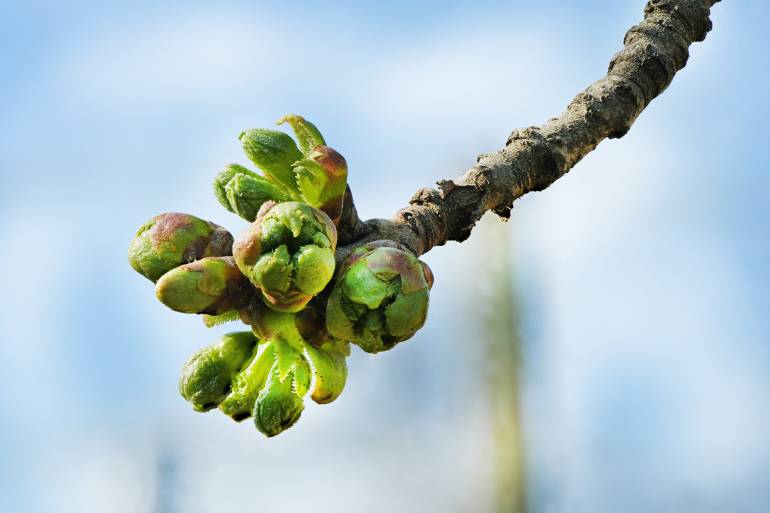
3. The start — green buds everywhere
People get excited when the buds turn green. They are still tightly wrapped up, with no actual flowers in sight yet. But it’s getting closer.
This phase can last a while, so you’ve got to be patient.
4. Florets appear
When the trees decide the timing is right, they push out little pink florets. Once that happens, we know that bloom should be around 2-3 weeks later. As the days go by, the florets get longer, eventually forming something called peduncles. Try saying that after a few drinks.
5. First flowers — the puffy, fluffy stage
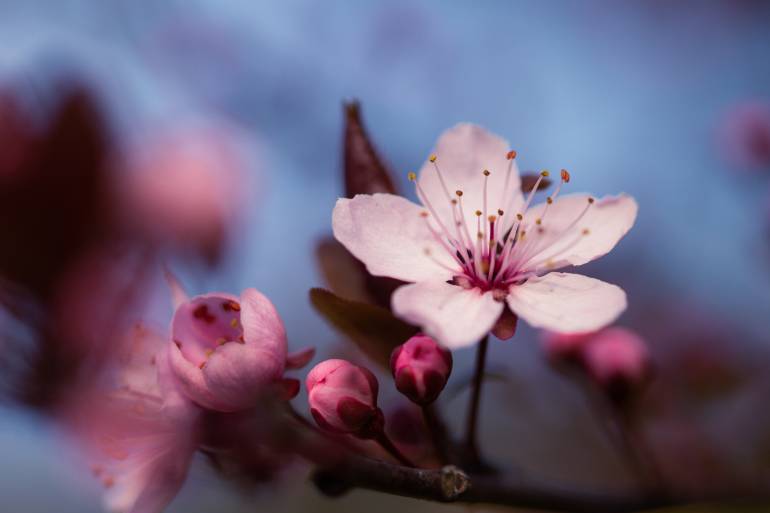
This is when the official countdown begins. The first petals appear, in all their puffy glory, and people lose it. Blue tarps are dug out of storage and Strong Zero cans fly off the konbini shelves in anticipation of the upcoming hanami picnics.
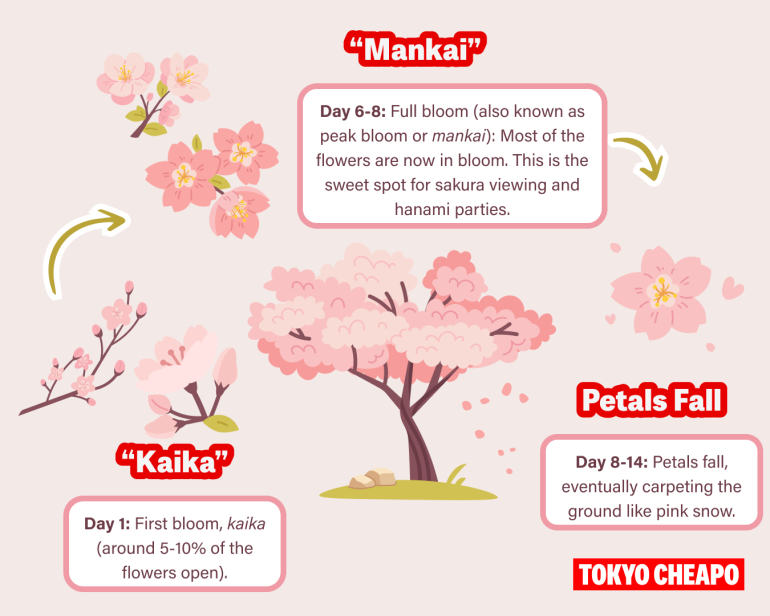
We are now at the kaika stage — or first bloom — and peak bloom is less than a week away. This is the sweet spot, the ideal time to be in Japan in spring.
In 2026 in Tokyo, first flowering is currently forecast for the 20th of March, with full bloom on the 27th of March. So if you are planning a trip, those are some pretty good dates! However, it’s good to keep in mind that weather patterns — and dates — can and do change a lot, so give yourself a nice, big window to ensure you catch the sakura at its peak.
Note: High temperatures shorten the flowering period, while low temperatures lengthen it.
6. Full bloom — mankai
Around 6-8 days after first flowering, the trees are in full bloom, and the parks are jam-packed with spring revellers. Everywhere you look is beautiful. Everyone in the world is now in Japan.

Note: Depending on which part of the country you are in, the time from first flowering to full bloom could be longer or shorter, with the cooler northern parts like Hokkaidō known to have shorter flowering windows (as well as totally different dates).
7. Pink petals everywhere
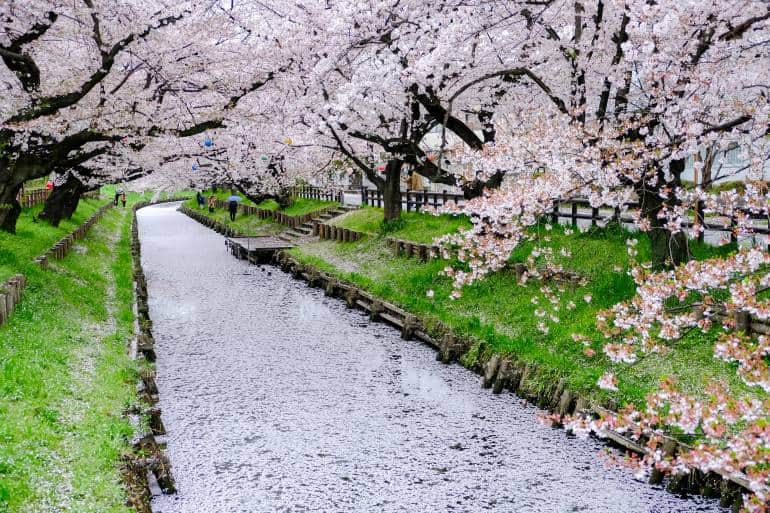
And just like that, it’s over. The petals fall to the ground, carpeting the grass with light pink snow. The leaves appear, and people move on to other spring events, with some waiting for the late-blooming cherry blossoms for one more chance at the sakura.
Where to see the latest cherry blossom information
We keep our annual cherry blossom forecast up to date, and you can also check live cams and updates from around Japan for the latest bloom progress.
Here are a few sites to get you started:
Summary of blooming timeline
The cherry blossom blooming period varies depending on the type, region, and the temperature, but generally it takes about a week from flowering to full bloom, and about 3-5 days from full bloom to the beginning of falling, for a total viewing period of about a week to 10 days.
For Somei-Yoshino cherry trees, flowering and peak viewing occurs from late March to early April in Kyūshū and Kanto, mid-April in Tōhoku, and late April to early May in Hokkaidō. In recent years, however, the period has tended to be earlier due to global warming.
Sources:
While we do our best to ensure it’s correct, information is subject to change.

