

5Views 0Comments

Everything You Need To Know About Maiko — And How To Meet One
Stock photos give the impression that it’s easy to spot a maiko — an apprentice geisha or geiko — gliding along the cobbled streets. But don’t be misled. It’s actually rare and spectacularly lucky to see a maiko draped in heavy silk finery, out and about in a serendipitous Kyoto moment.
Intrusive street-corner snaps, one novel, and the film that followed have had an outsized influence on how the world imagines these highly sought-after and mysterious entertainers, but the actual life of a maiko remains elusive.
How is the everyday life of a real, working maiko structured? Where does a maiko go in Kyoto in her (limited) free time? And what does it mean to be a maiko in the 21st century, in her own words?
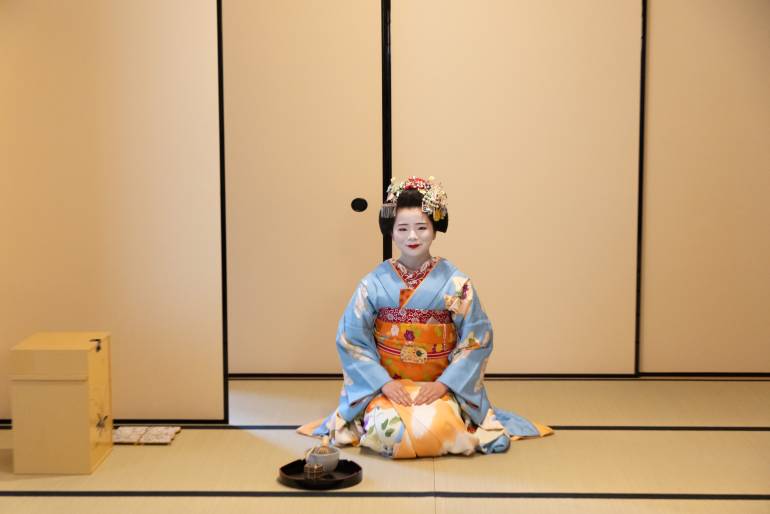
What is a maiko?
A maiko is a geisha in training — or apprentice geiko, as geisha are known in Kyoto. The word combines mai (dance) and ko (child), reflecting both the role’s artistic focus and the early stage of their careers.
The profession itself is not new, dating back to the 18th century, but it has evolved over time.
Today, geiko are deeply respected entertainers who train for years in traditional Japanese arts, including dance, musical instruments, flower arranging, and the refined art of conversation. They are hired by ryōtei, exclusive traditional restaurants, and invitation-only private venues known as ochaya, to entertain guests during banquets and gatherings.
Are there maiko outside Kyoto?
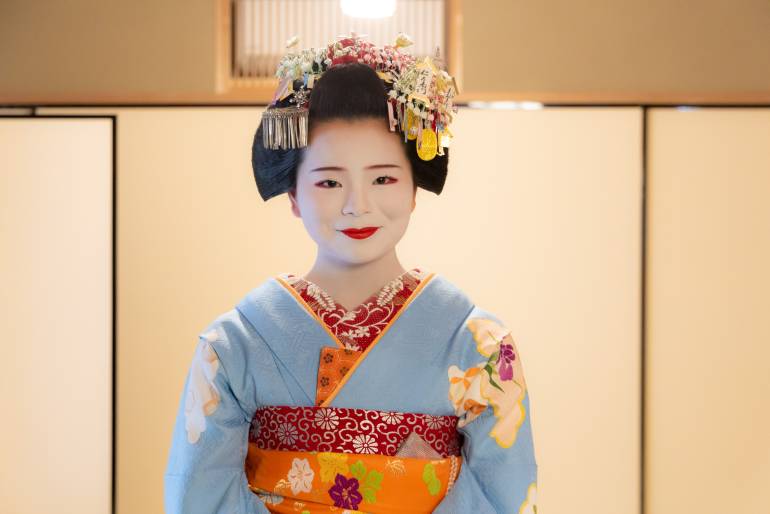
While cities such as Tokyo and Kanazawa also have geisha districts, Kyoto is the only place in Japan with a sustained maiko system.
The key difference lies in age and training.
In Kyoto, girls may choose to begin training as maiko after completing Japan’s compulsory education, which ends at junior-high school. Elsewhere in Japan, geisha training begins at adulthood.
As a result, the teenage maiko and the distinct culture that surrounds them are unique to Kyoto.
How to meet a maiko
The Kyoto government has, in recent years, taken steps to seriously curb paparazzo behavior in the poetically named “flower towns” or areas where maiko and geiko live and work. A ¥10,000 fine is imposed on trespassers.
Instead, to engage with a maiko, the best and truly only method is booking an experience through a verified organization.
Our recommended maiko tour
From ¥23,500 per person
Book here
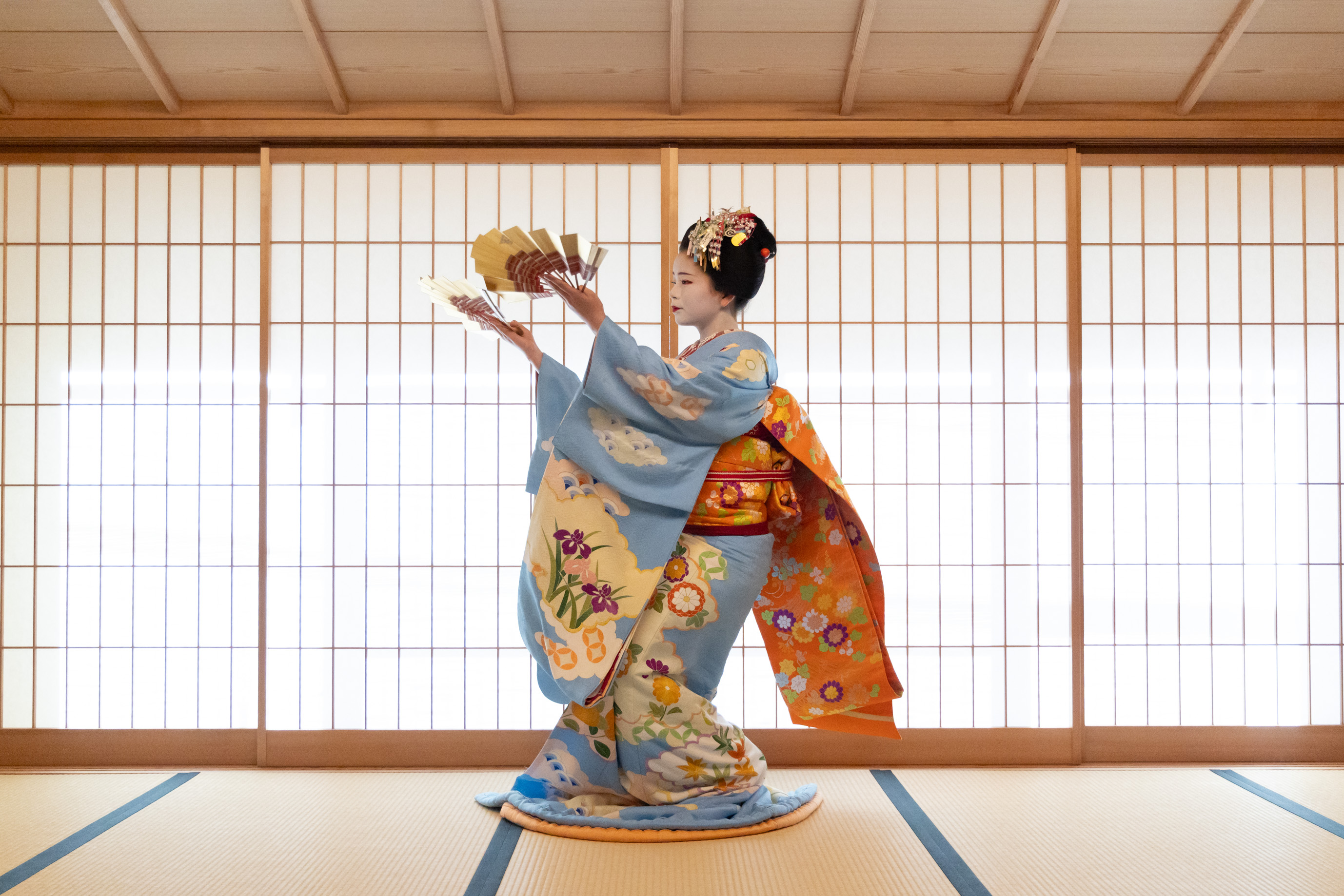
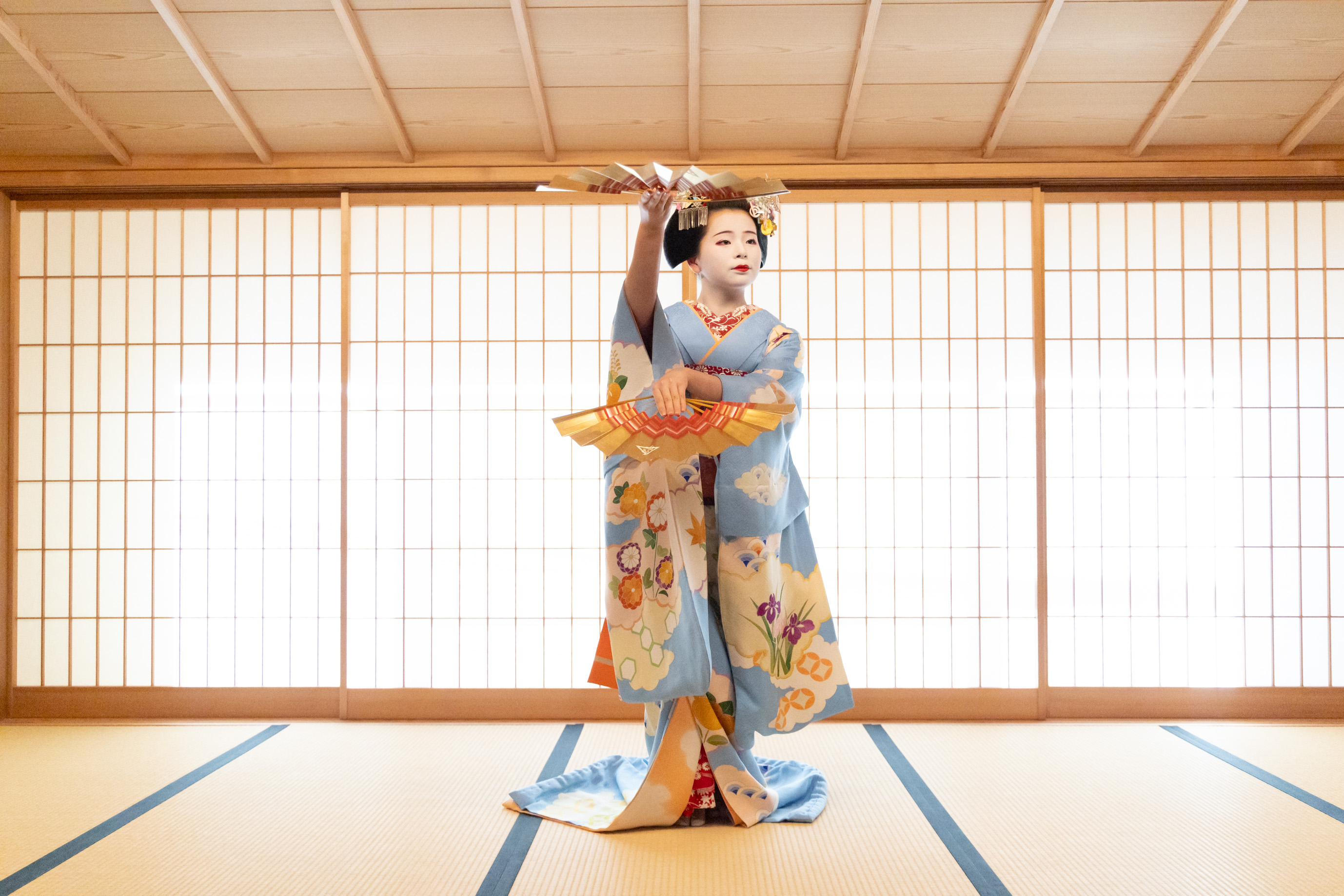
If you’re keen to engage with a maiko up close, this small-group tour, run by the trusted travel group JTB, pulls out all the stops.
Offering a rare, respectful introduction to Kyoto’s geiko districts, guests are welcomed into a traditional teahouse to meet a maiko or geiko, sometimes joined by a geiko who runs the teahouse.
Under ordinary circumstances, such introductions are governed by a long-standing custom that restricts first-time visitors without a recommendation from an existing patron.
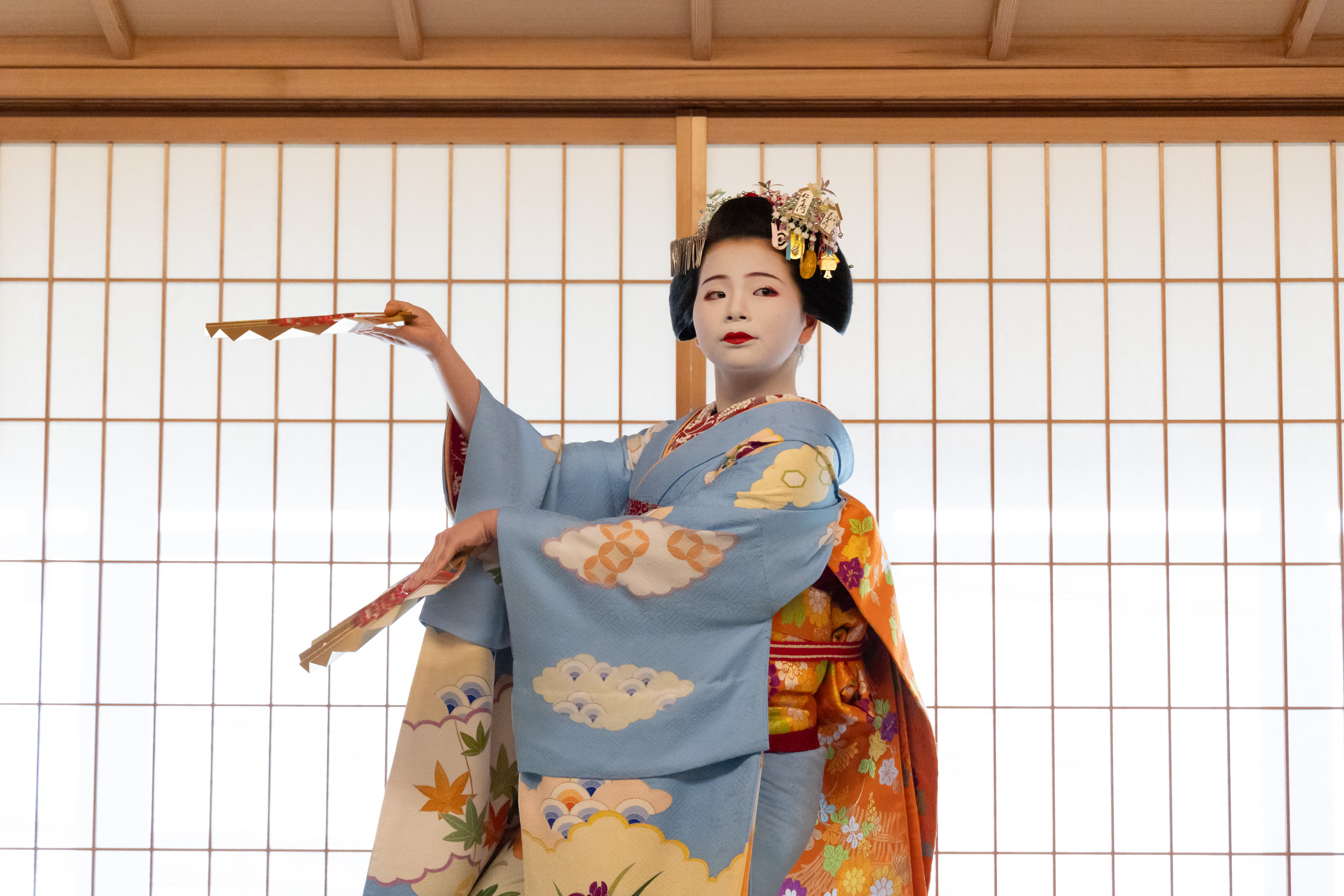
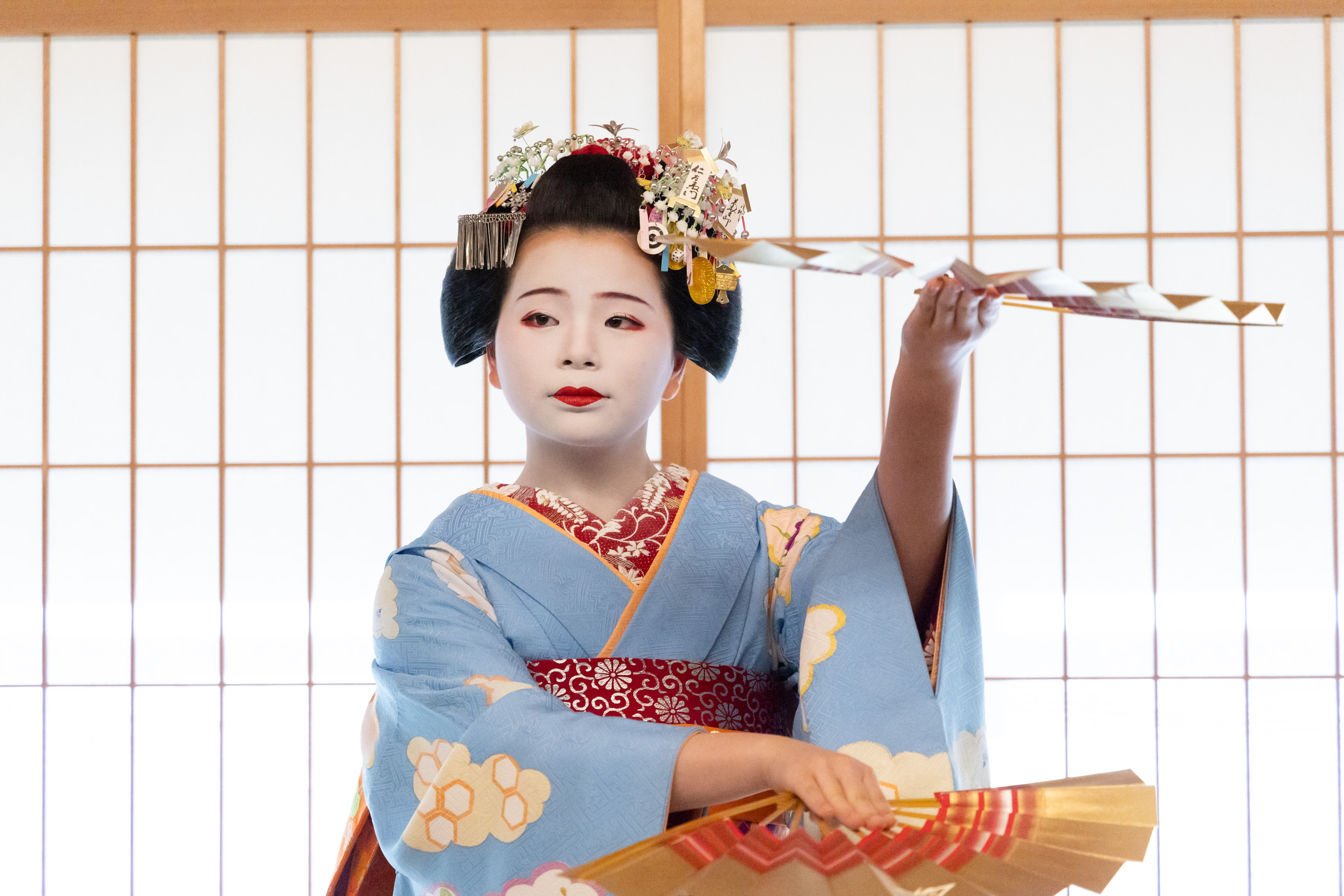
Inside the teahouse, the maiko or geiko will perform a traditional dance, accompanied by live shamisen music. With the group limited to 10 people, the atmosphere is relaxed and intimate. You can also take a commemorative photo with the maiko or geiko.
The tour is attended by a National Government-licensed English Guide Interpreter, who provides cultural context, explains etiquette, and helps bridge language barriers.
What to expect
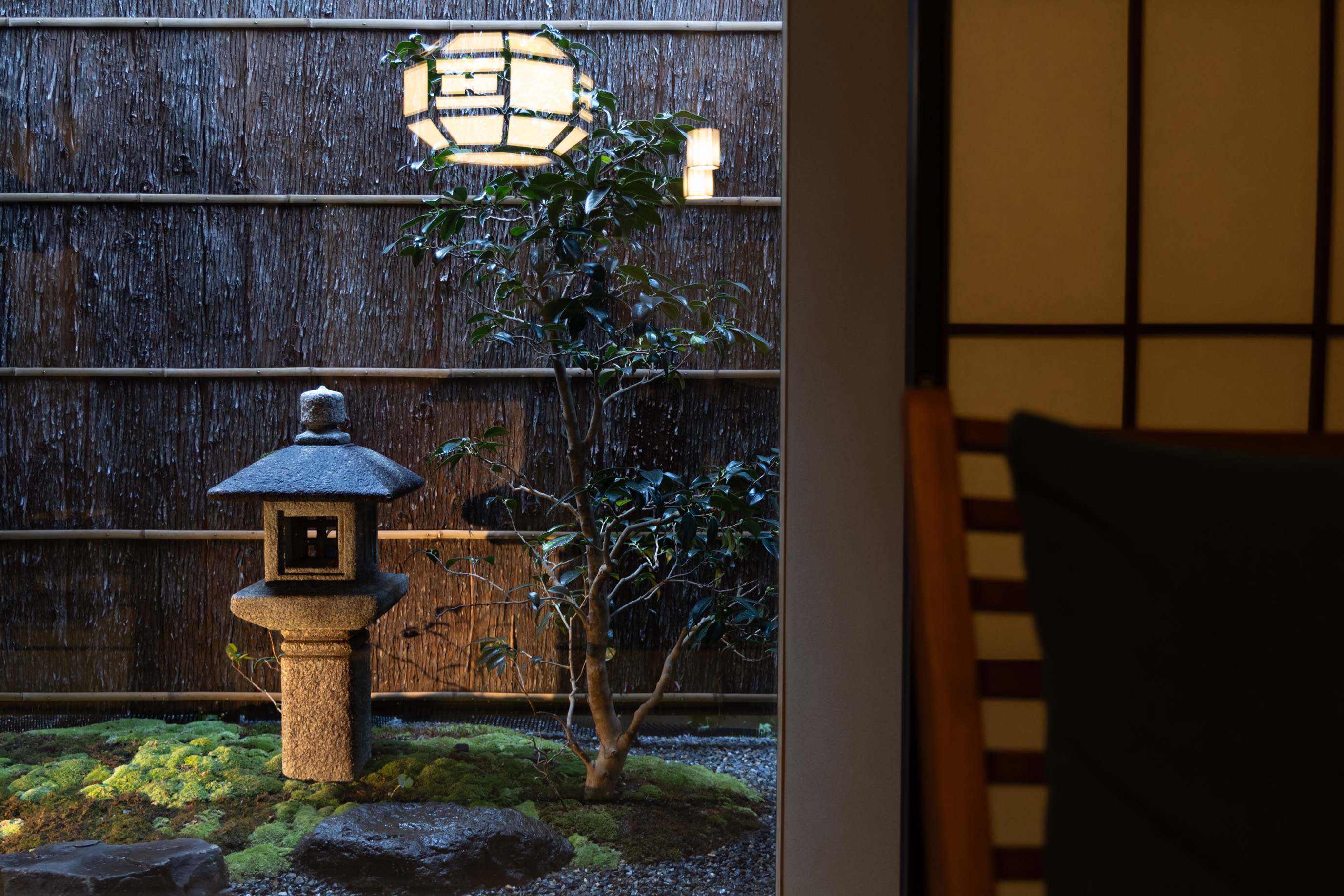
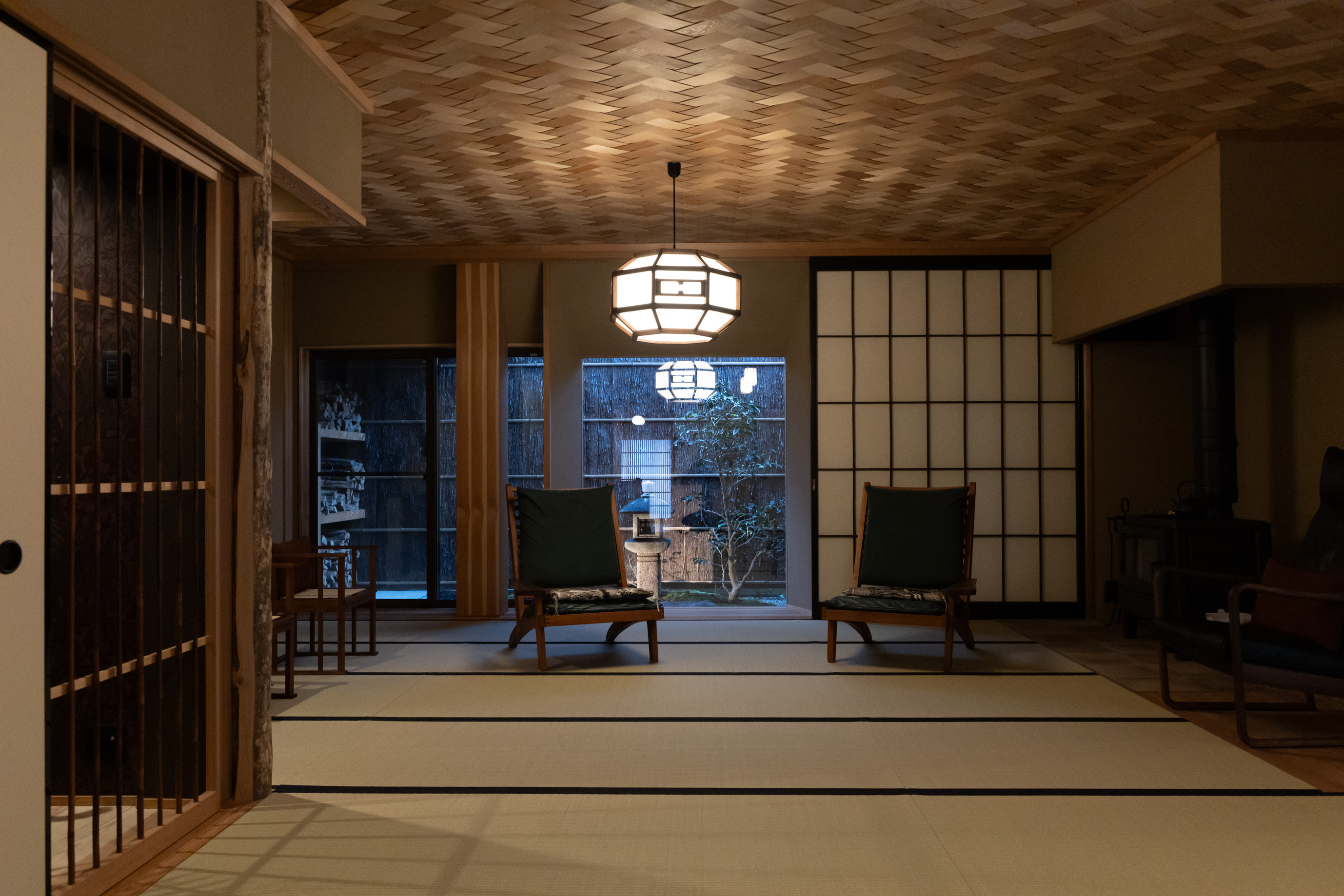
The venue itself is worth a separate note — not only is it stunning to look at, but it’s filled with personal touches.
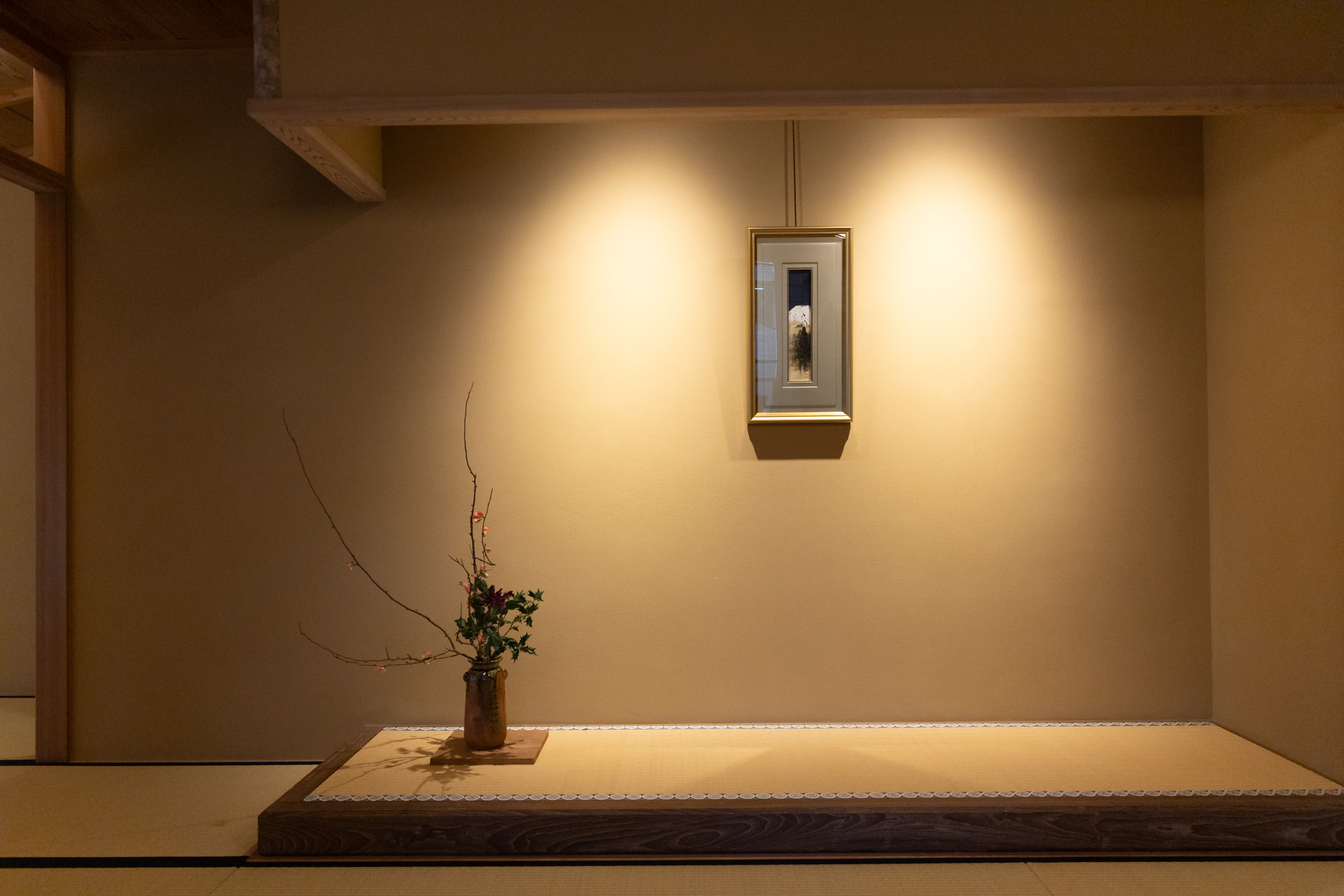
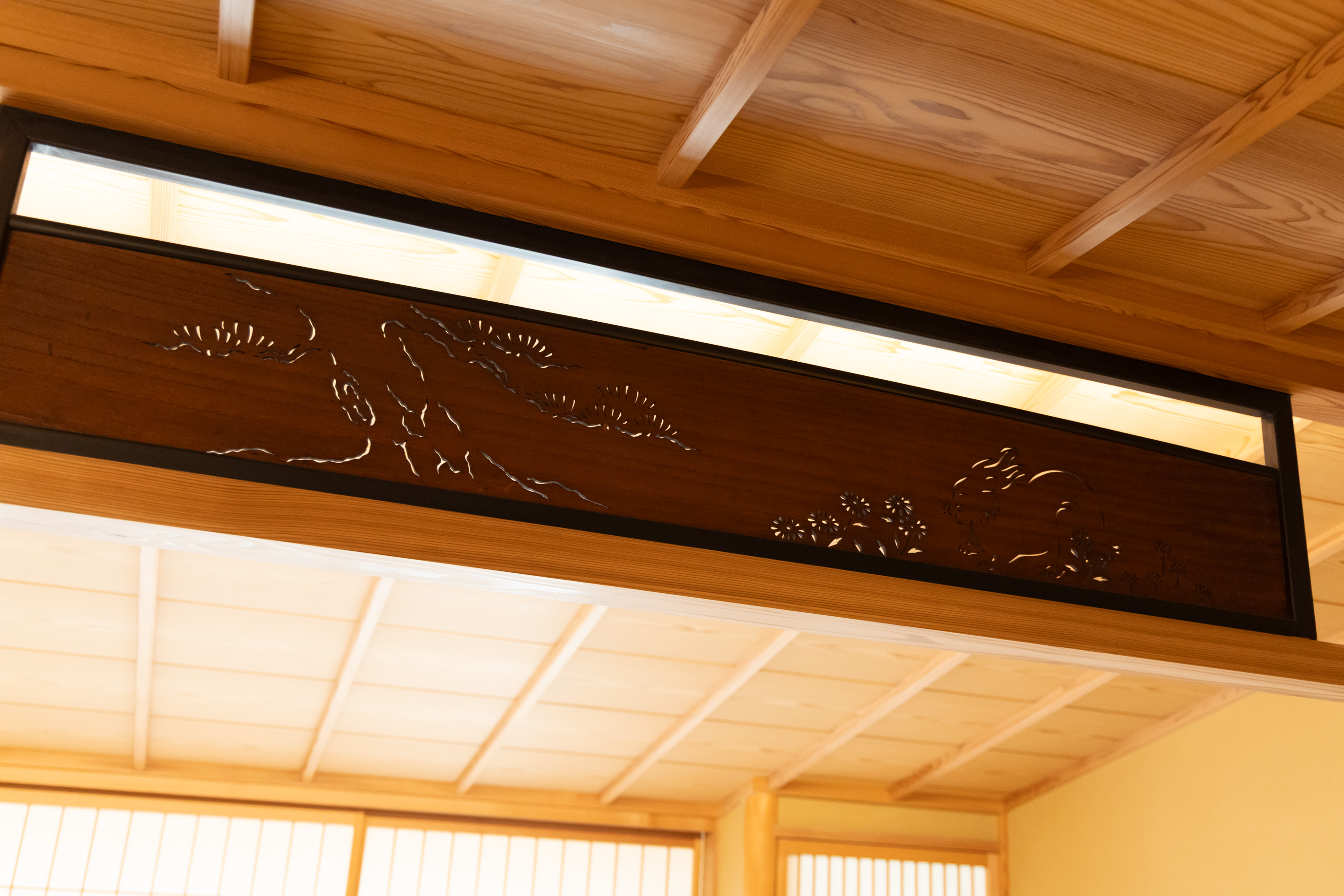
The teahouse, though newly built, uses high-quality traditional materials across its two floors. It’s finished with chestnut wood flooring and connected by a pine staircase. Look up and notice the Ajiro-style ceiling, composed of interwoven strips of cedar, found in Kyoto-style townhouses. Beyond the interiors, soft pads of moss surround the stone lantern in the Japanese garden.
The second floor opens onto a tatami room where a lone flower arrangement changes with the seasons, and carved ranma screens featuring turtle and rabbit motifs, filter light into the space.
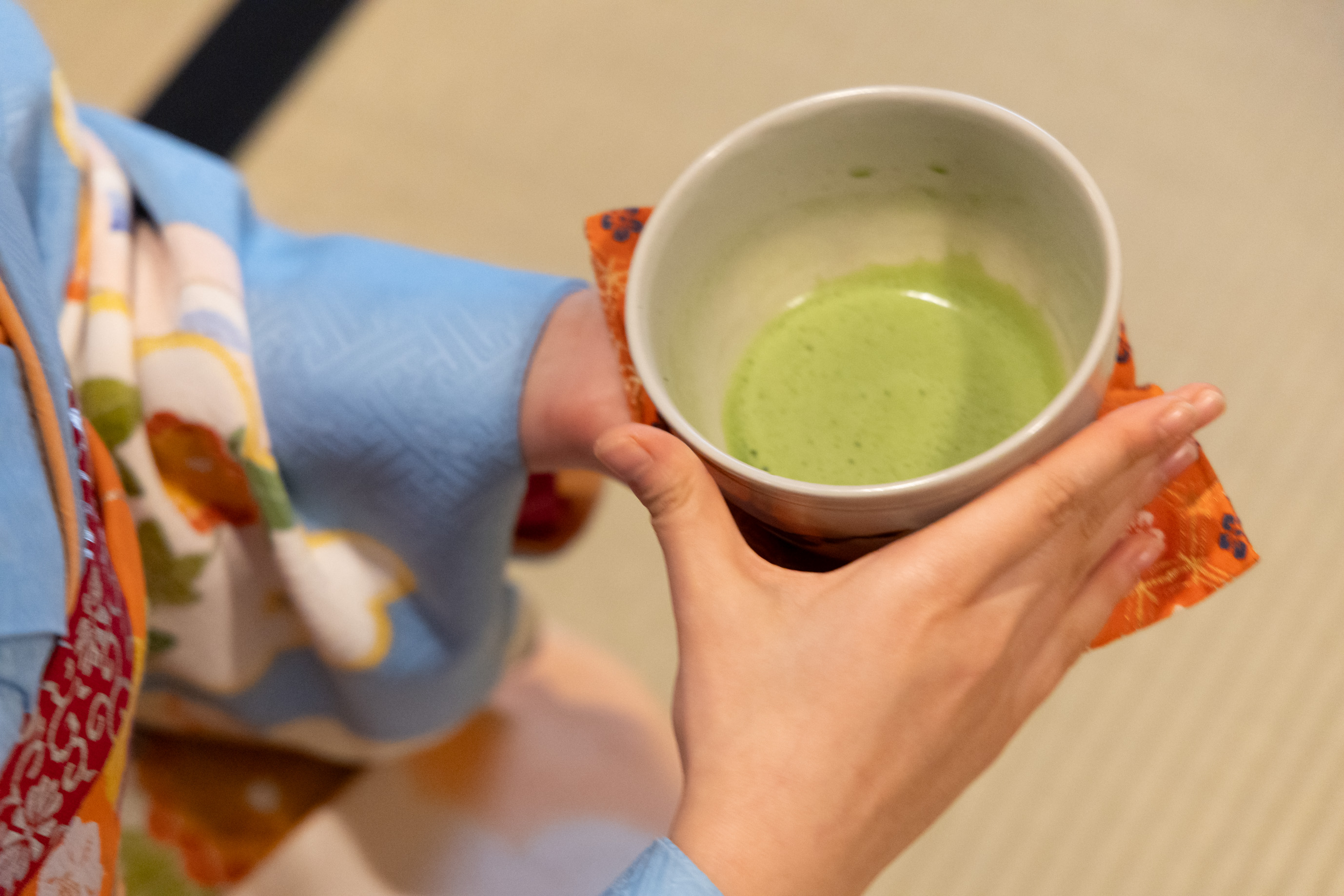
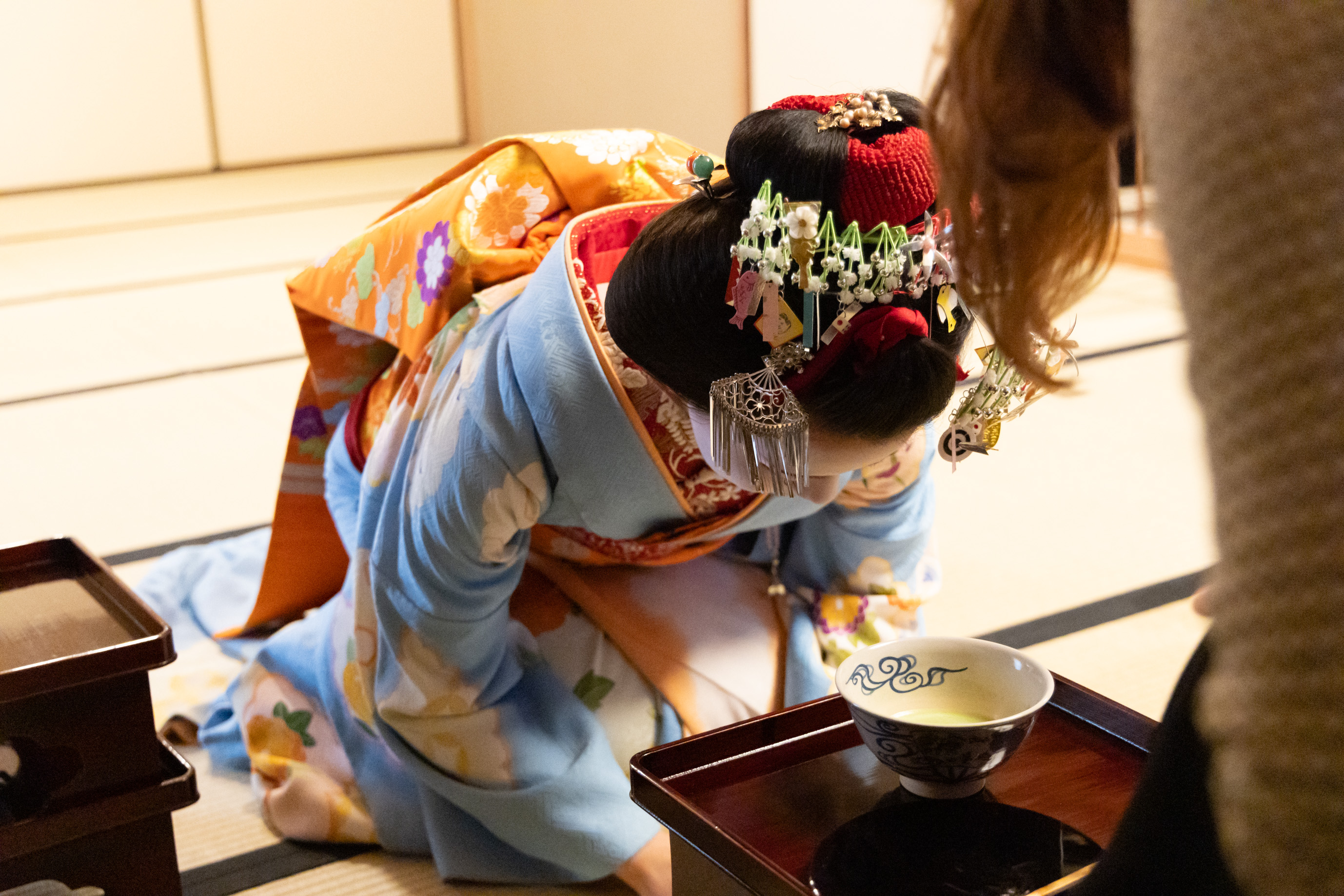
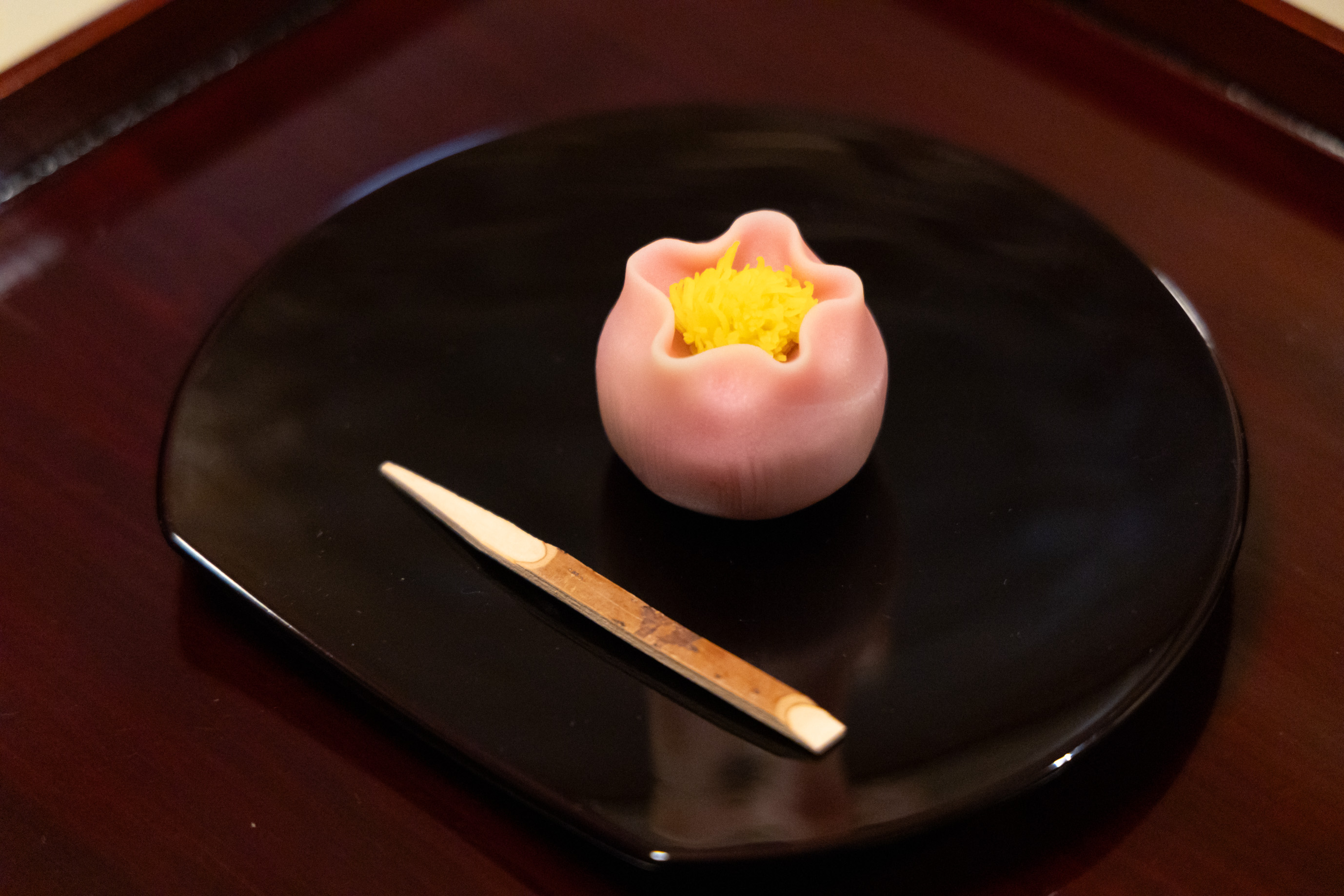
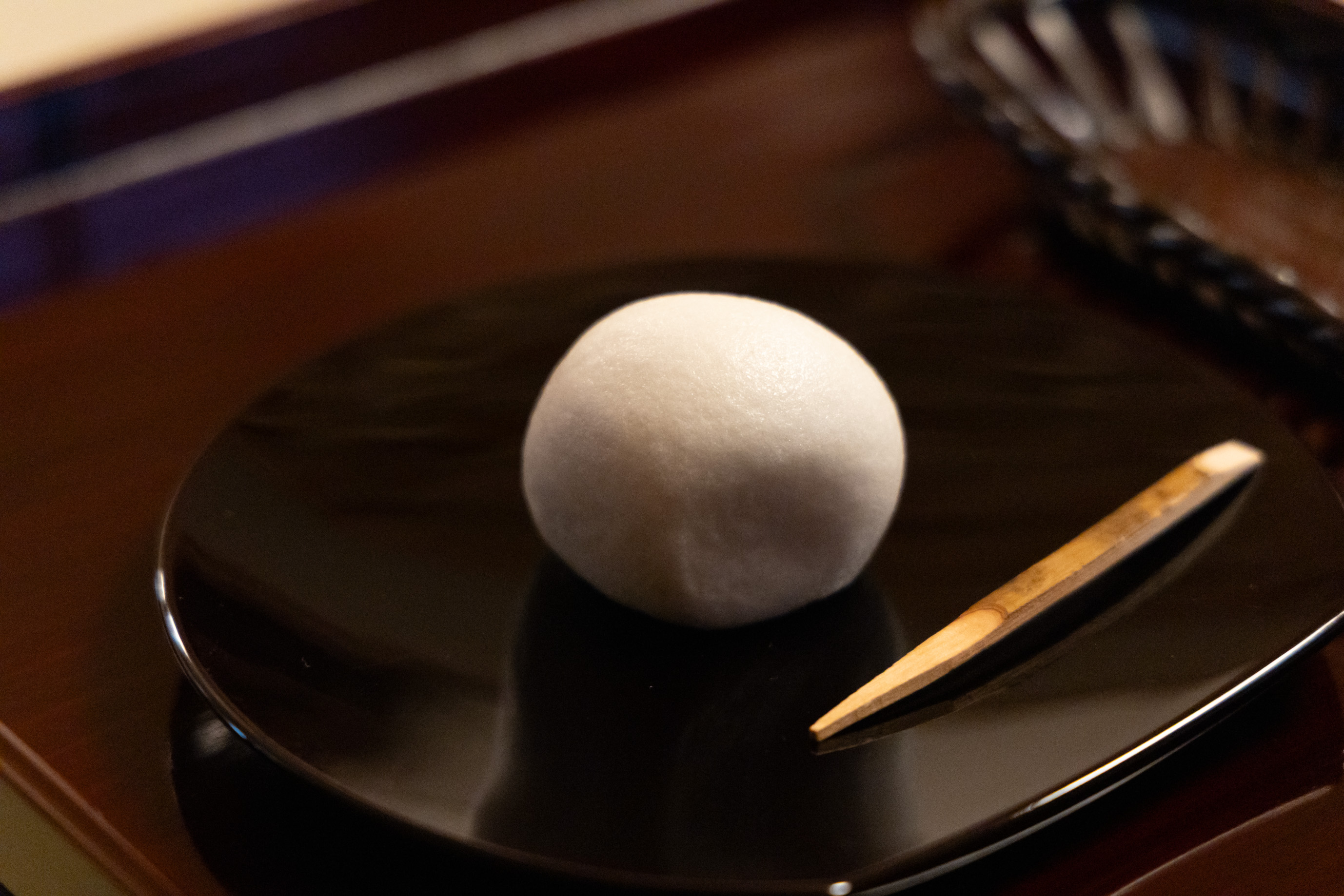
During the experience, you’ll be served hand-whisked matcha and seasonal sweets using utensils produced by a master craftsman. Patterned with koi fish in black and white, even the cushions have a story — they are upholstered with an old kimono that belonged to the teahouse’s proprietress.
The life of a maiko, in her own words
Gion Kōbu, Kyoto’s most prestigious flower town, is dense with some of the most recognizable sights of the former imperial capital: Yasaka Shrine, Kiyomizudera, and the lantern-lit stretch of Hanamikoji Street, lined with teahouses — anonymous, unless guided by an insider.
One maiko we spoke to, who marked her formal debut in 2024, is one of just 11 active maiko in the district. (Across Kyoto’s five geiko districts, the number is still small — there are around 50 active maiko at the time of writing.)
For her, the path into this world began early.
“When I was four years old, I visited Kyoto and experienced a maiko performance with my family,” she recalls. “It left a deep impression on me.”
In Kyoto, girls begin training typically at age 15, right after finishing junior high. Training requires moving into an okiya, a communal house run by the proprietress, who oversees schedules, lessons, and professional appointments. Daily life is tightly regulated — maiko are not allowed to have their own phones, nor do they manage money.
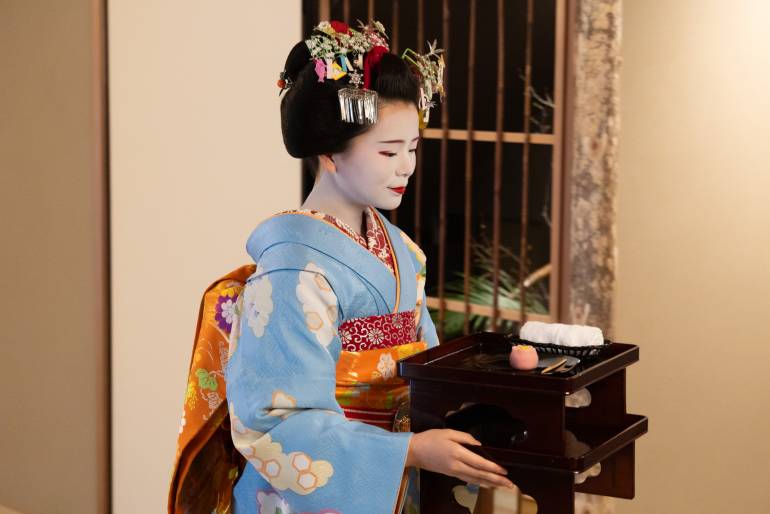
After finishing junior-high school, the maiko left her hometown and entered the closed “Flower and Willow World” of traditional entertainers. The transition came with moments of culture shock, including adjusting to the softer, indirect form of speech employed by maiko.
Her days follow a strict rhythm to facilitate full-on immersion in the fine arts. Mornings and afternoons are devoted to lessons — dance, shamisen, flute, singing, tea ceremony, etiquette, and more.
“I go to a vocational training school for a few hours each day,” she says, “To get plenty of practice in Japanese dance and music.”
After school, maiko who have completed their formal debut are permitted to entertain at events, sometimes working late into the evening.
“The doors of the okiya close at midnight, so we have to be back by then. I have dinner, take a bath, and usually go to bed around 1 a.m.”
Behind the iconic look
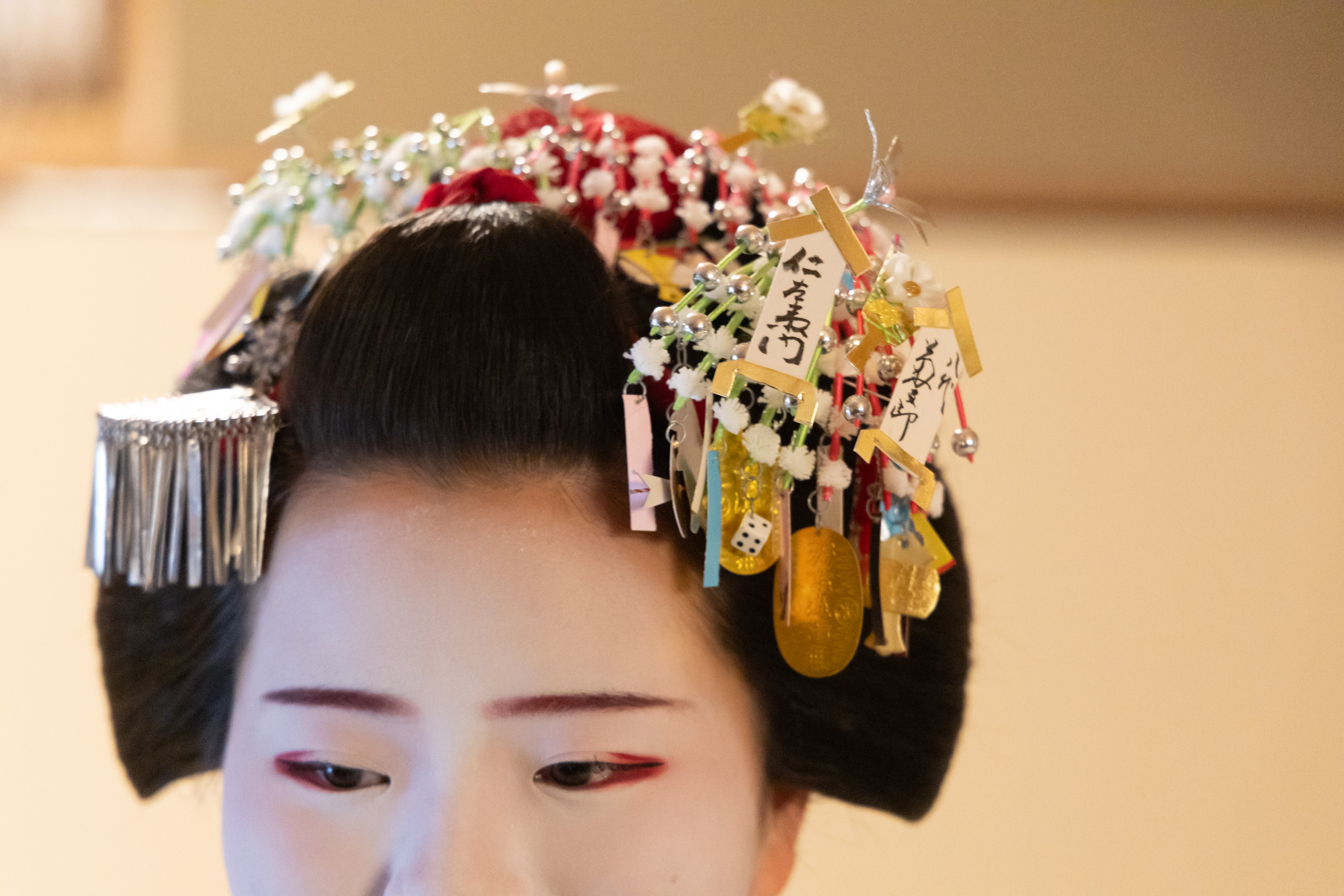
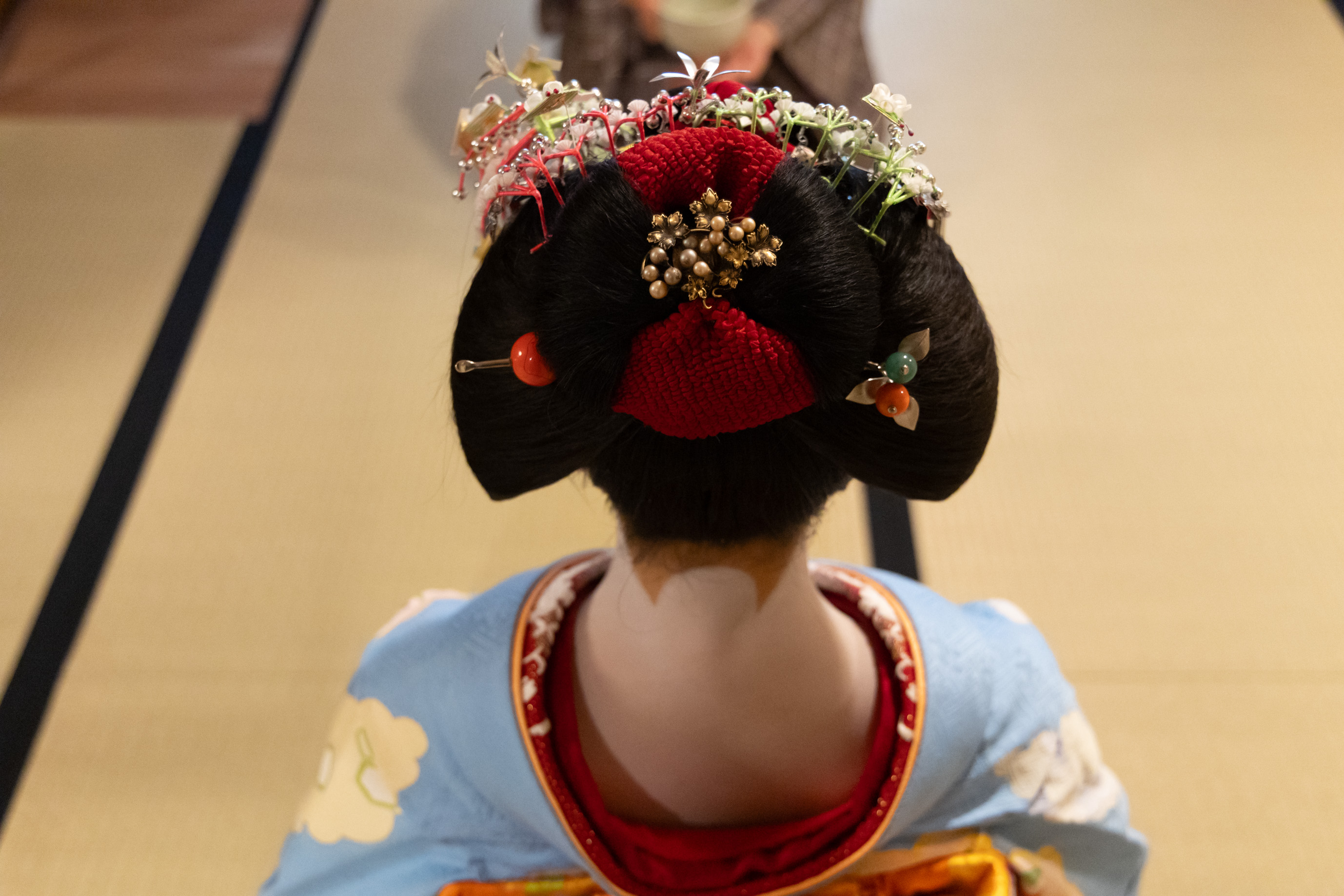
The appearance and styling of a maiko, more ornate than that of a geiko, does not come down to personal choice. Instead, each look is carefully calibrated to the occasion and time of year.
“My mentor (the okami) selects our outfits. We share the kimono among us,” the maiko says.
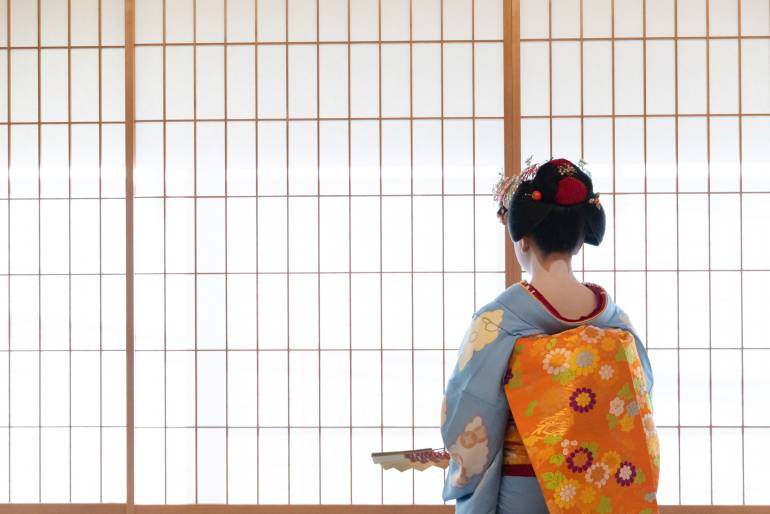
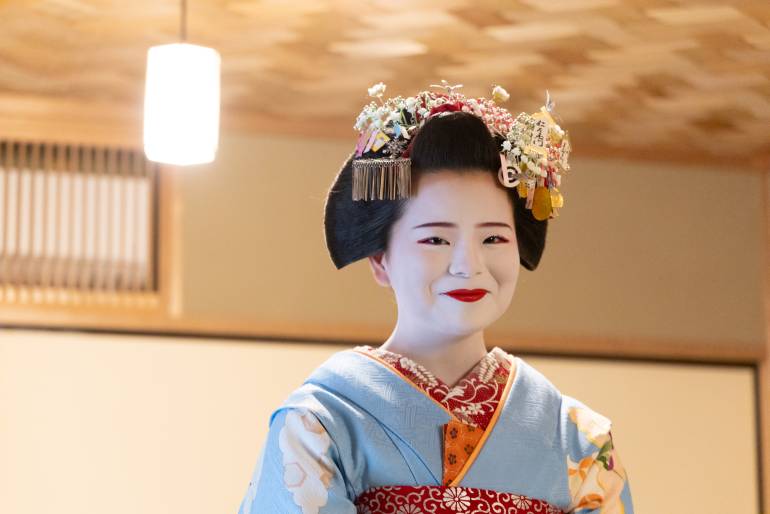
Maiko wear long-sleeved kimono paired with the dramatic darari obi, woven in luxurious brocade silk, that hangs low at the back in a trailing panel. It is embroidered with the crest of the okiya — a kind of OG GPS — and remains the clearest visual cue that the wearer is a maiko, rather than a fully fledged geiko. The entire ensemble weighs around 12 to 13 kilograms and costs several million yen.
Another clue is the hair. Unlike geiko, who usually wear wigs, maiko style their own. Hairstyles are set once a week by a specialist hairdresser, and maintained by sleeping on a raised wooden pillow — and yes, it’s about as comfortable as it sounds. Maiko also apply the elaborate makeup — the white base with red accents, plus a narrow strip along the nape left bare — daily.
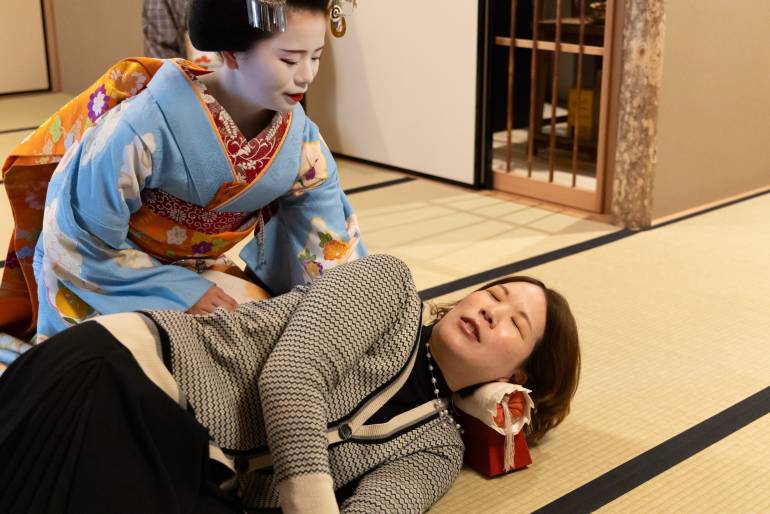
“As maiko, we’re responsible for our own makeup,” she says.
Hair ornaments, known as kanzashi, change once a month. Designs depict seasonal flowers, plants, or local happenings — think Japanese maple in November, wooden plaques signed by Kabuki actors in December, and plum blossoms in February.
Down time
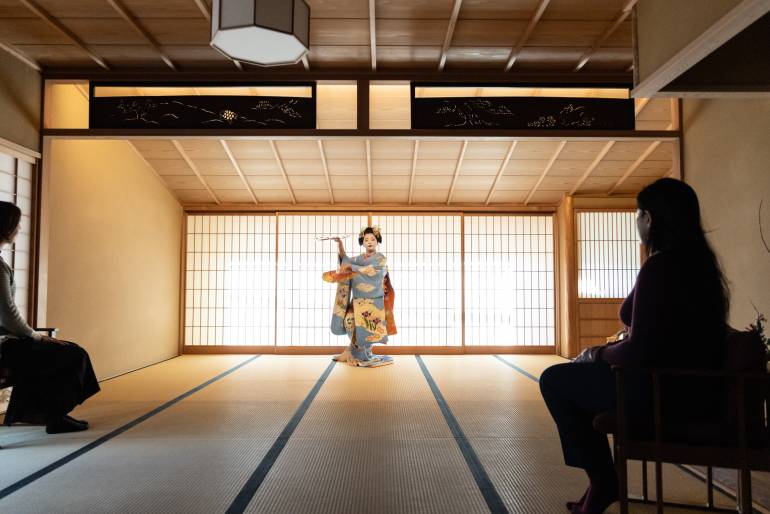
However glamorous the role may appear, life as a maiko is incredibly demanding. Time off is limited: most maiko receive just two days off each month, and see their families only twice a year, during Obon and the New Year.
That said, there is a strong sense of community. Maiko who started their training at the same time support one another, and guidance from senior geiko is built into daily life.
On her rare days off, the maiko enjoys simple pleasures like shopping and stopping by the convenience store.
“I crave ordinary experiences on my day off,” she shares, “They help me feel refreshed and ready to dive back into my work as a maiko.”
Among her favorite places in the city are Tatsumi Bridge and the nearby Tatsumi Shrine, somewhat under-the-radar cherry blossom-viewing spots.
“I have many happy memories there,” she says.
Continuing traditions
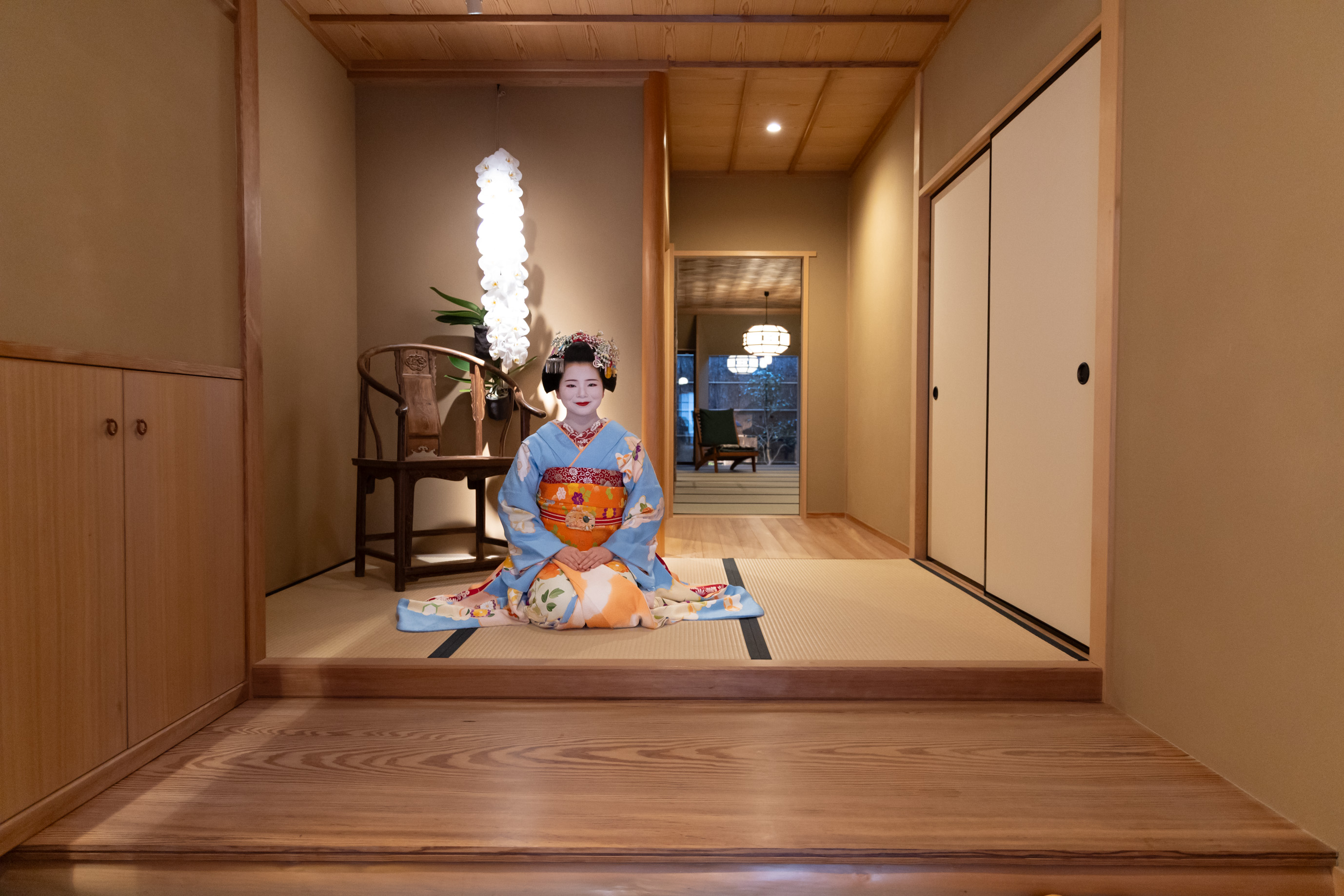
Not all maiko go on to become geiko. In fact, many quit at the maiko stage, opting for other careers instead.
At the Gion Kagai Art Museum, the wider context and full arc of the tradition are carefully preserved, allowing visitors to learn about the different stages of apprenticeship as well as the complex ecosystem that supports them.
“Before I became a maiko, I used to want to work as a cabin attendant. The uniforms are cute, and I thought it would be fun to travel and see the world,” says the maiko.
Now, however, she has no plans of jetting off.
“When patrons remember me and praise me, it is very fulfilling. I feel all my efforts have paid off,” she says.
“To me, maiko are living culture.”

