

25Views 0Comments

Reading the West’s recognition of Palestine – Middle East Monitor
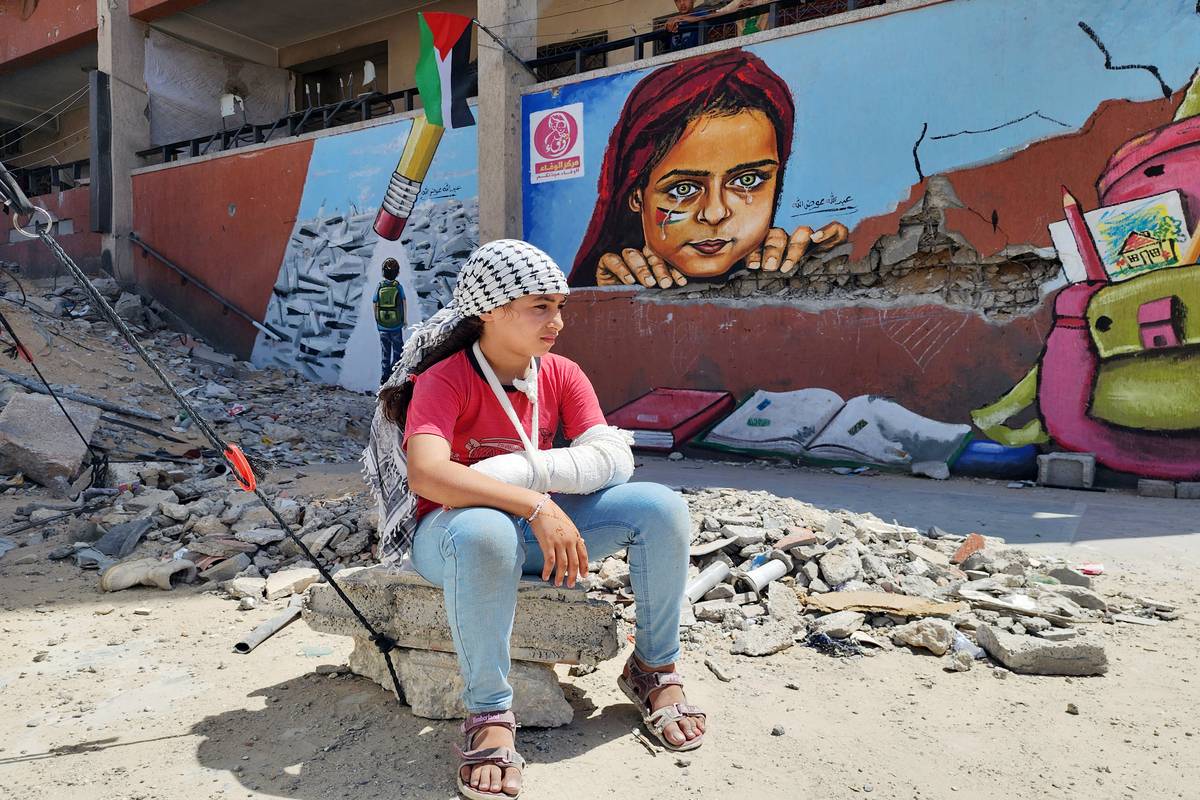
For decades, recognition of a Palestinian state has echoed through the halls of the United Nations, on the lips of politicians, and in the chants of crowds.
Recognition is not merely a word uttered in a press release or a line inscribed in the records of diplomacy. It is a step that grants Palestinians a legal standing in the international system, opens doors to treaties and organisations, and amplifies their voice in global forums.
From this perspective, each new recognition is a symbolic and moral gain not to be underestimated.
Yet, as Palestinians know from bitter experience, words can sometimes serve to cover the absence of action. Recognition on its own does not halt the bombing of Gaza, freeze settlement expansion in the West Bank, or lift the siege on Jerusalem.
This raises the essential question: what lies behind recognition? Is it a step towards real change, or a card used by some Western capitals to evade heavier responsibilities?
It is also vital to stress that recognising a Palestinian state is not a substitute for other fundamental rights, nor can it be reduced to a price paid in exchange for relinquishing the right of return, full sovereignty, Jerusalem, or the dismantling of occupation in all its forms. Palestinians have never demanded a truncated state at the expense of their inalienable rights; rather, they regard recognition as a complementary step within a longer journey towards comprehensive justice.
Recognition as an escape from responsibility
It is all too easy for a Western government to declare: “We have recognised Palestine.” The phrase is short, resounding, and appeases an outraged public disturbed by images of massacres in Gaza.
Yet, at the same time, it is far less costly than imposing sanctions on “Israel”, restricting arms exports, or revisiting economic partnerships.
Here recognition functions as a political safety valve: it eases public pressure, satisfies the media, and gives the impression of movement, while core policies remain untouched. It is like offering a patient a painkiller to dull the ache without treating the underlying illness.
Still, this “painkiller” does add a point in the record of Palestinian legitimacy. In that sense, it is a short-term evasion that may nonetheless accumulate into leverage if Palestinians invest in it wisely.
Rebranding the West’s role
After years of unconditional support for “Israel”, several Western capitals have found themselves in an awkward position: accused of complicity, stripped of credibility, and facing growing popular anger.
Recognition thus arrives as a means of rebranding: the West reappears as the “honest broker” and “guardian of international law.”
The equation is clear: strong rhetoric, limited deeds. Phrases about a “two-state solution” are repeated in conferences, yet without practical measures tying military aid or economic relations to “Israel’s” behaviour. Recognition becomes like a decorative painting hung on a cracked wall: it adorns the space, but it does not fix the damage.
The real difference emerges when recognition is paired with tangible policies: distinguishing between settlement products and the rest of the Israeli economy, reviewing arms agreements, or supporting Palestinian cases in international courts. Only then does recognition shift from diplomatic décor to genuine leverage.
“Israel’s” benefit from symbolic recognition
Some may assume “Israel” fears any recognition of Palestine. The reality is more complex. “Israel” knows that hollow recognitions can serve its interests too: they create the impression of a political process, while the facts on the ground remain unchanged: settlement growth, siege, repression.
For Tel Aviv, symbolic recognition is like a smoke screen: it conceals the occupation behind talk of a “two-state solution” that exists only in press statements. Worse still, it prolongs conflict management without “Israel” paying any real cost.
But the equation is not without risks. As recognitions accumulate, they generate a new legal and political environment: it becomes easier for Palestinians to turn to international courts, to reinforce their historical narrative, and to open the door to economic and legal claims against settlements. This is precisely why “Israel” strives to contain recognition within a purely symbolic, risk-free framework.
Conclusion: Between symbol and substance
Recognition of a Palestinian state carries weight, but it is not sufficient in itself. Nor is it an alternative demand to the full range of rights that cannot be waived.
Palestinians are not seeking a state without Jerusalem, nor a diminished sovereignty, nor an entity that buries the right of return.
What is needed today are concrete measures, not empty gestures: actions that halt settlement expansion, lift the siege, and end impunity.
If recognition remains without consequences, it will change nothing on the ground and may even absolve “Israel” of paying the price for its crimes.
But if it is tied to practical policies and genuine pressure, then recognition can become a lever towards justice, sovereignty, and freedom.
OPINION: The generals and princes are cashing in while Gaza bleeds
The views expressed in this article belong to the author and do not necessarily reflect the editorial policy of Middle East Monitor.

