

28Views 0Comments

Yokohama Day Trip Guide: Art, Noodles, and an Amazing Chinatown
View this post on Instagram
Pro tip: Book a food-themed walking tour, led by a local guide, for a great experience.
The Chinatown shops have everything from bright souvenirs to handcrafted items and are fun to look around even if your budget is non-existent.
Be sure to visit the area’s two temples: Kanteibyō and Masobyō, which are both elaborately decorated and beautifully lit at night.
Afternoon antics in the Cup Noodle Museum
8-minute walk from Minatomirai Station
¥500 for adults and free for high-school students and younger (additional costs for activities)

A great rainy-day alternative to the gardens (or just a great addition to the day), the Cup Noodle Museum is no ordinary museum.
Experience the Traditional Art of Kintsugi
Looking for something different? Try a kintsugi class in Tokyo. Kintsugi is the art of repairing old pottery with gold. In this one-hour workshop, you’ll learn the delicate art of gold repair, and create your own unique souvenir to take home. You’ll even dress in samue, the traditional outfit of craftsmen.
With bright displays tracing the development of the once simple chicken ramen to today’s assortment of international creations, even the more traditional museum part is pretty fun. You can learn about the history of the much-loved (too-much-loved?) creator of instant ramen, Momofuku Ando through inspirational quotes and a hallucinogenic film about his life.
That is all just jazzed-up museum stuff, I hear you cry. Fear not, we have only just begun. Step on through to the My Cup Noodle Factory, where you can design your own noodle cups for ¥500. Along with choosing what goes inside them, you get to turn handles and heat seal the saran wrap yourself.
Still not enough for you? If you book ahead, you can make your own noodles from scratch in the cooking classes, leaving with your own fried and packaged noodles as well as an undeniably fashionable bandana.
Once you’ve sated your craft-appetite, you can enjoy a variety of noodle-dishes from around the world at the Noodle Bazaar — an attractively decorated food hall with affordable dishes. Kids can experience the noodle life for themselves at the indoor play area. Round off your trip by admiring the marble noodle run before exiting through the gift shop.

2-3-4 Shinko, Naka-ku, Yokohama 231-0001
10:00 – 18:00 (last admission 17:00) Closed on Tuesdays and national holidays.
Adults: ¥500
Explore the arts and architecture
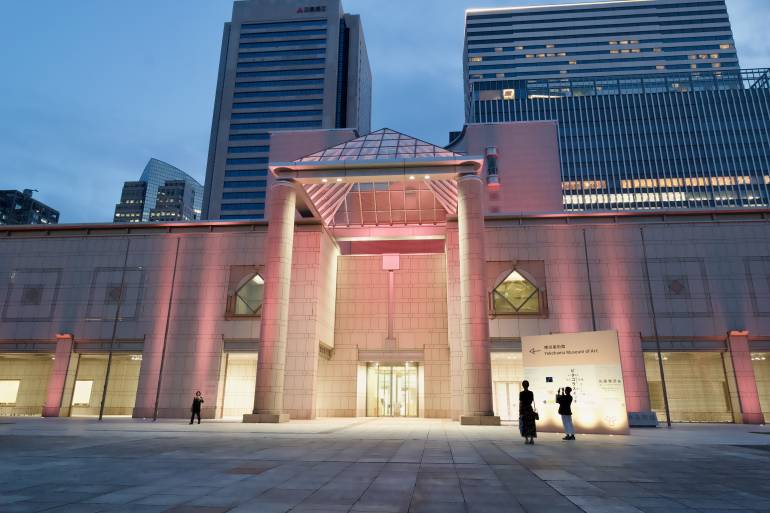
With a checkered history, Yokohama has been reviving forgotten areas and creating artistic havens for a new generation. The locations are scattered across the city and include former red-light districts, warehouses, and piers stretching out into the sea.
The Koganecho Area Management Center
Having been badly combed in the war, the Koganecho area soon became a den of drugs and prostitution, and although the former was cleared out in the 60s, the latter was left to prosper until 2005 (priorities). This left a series of narrow properties and dodgy alleyways — art was the answer.
The Koganecho Area Management Center has created artists’ residences in ex-brothels, exhibition spaces in train tunnels, and community in a once-doomed area. The area is great for a stroll, with small galleries and shops as well as riverside cafés.
BankART 1929
Closer to Chinatown, you’ll find BankART 1929 — a dock-side hub of arts and culture with spacious galleries favoring impressive art installations. In addition, there are live studios, lectures and a performance area.
They house eight artists on three-month residencies, ensuring a fresh rotation of art. There is also a cool café that later becomes a bar, complete with abandoned bus and dock views.
Yokohama Museum of Art
Looking for an art exhibition? The Yokohama Museum of Art hosts a variety of temporary exhibitions, with its core focus being art from the late 19th century. It reflects the time when Yokohama opened its port, leading up to the present day.
Note that prices vary by exhibition.
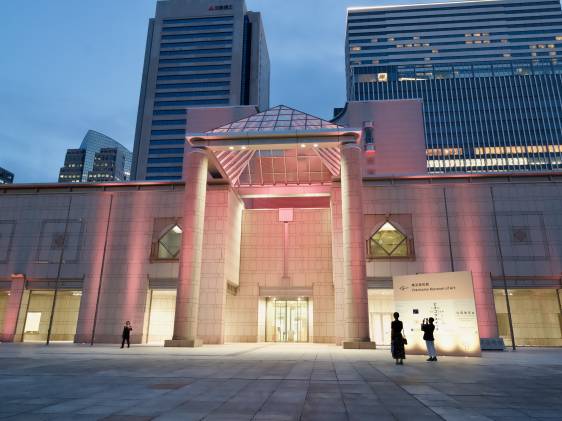
3-4-1, Minatomirai, Nishi Ward, Yokohama, Kanagawa
10 a.m. to 6 p.m. Mon-Sun; Closed on Thu
Osanbashi Pier
Osanbashi Pier is the ideal place to admire the architecture of the city in a single sweeping glance, encompassing new and old while standing on one of the most influential pieces.
Inspired by natural shapes, the pier features no stairs, posts or beams — light flows naturally, with a grass-covered top (and a definite popularity as a romantic spot).
For more information on the best spots, have a read of our article on the thriving art scene in Yokohama.
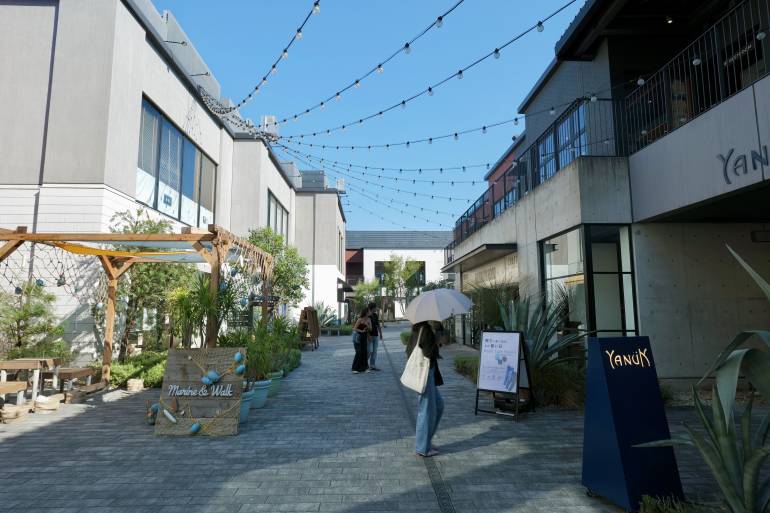
You might easily spend your entire day browsing the huge variety of shops in Yokohama. Notable complexes include MARK IS, Queen’s Tower, Landmark Plaza, and World Porters — the perfect choice if you’re seeking global brands.
If you’re searching for Yokohama-exclusive gifts, consider visting the Red Brick Warehouse. This focal point hosts many iconic events, such as the yearly Christmas Market and Oktoberfest.
Originally built in the early Taisho period, it has retained its historic exterior. Inside, you’ll find a variety of shops and eateries, many offering unique souvenirs and Yokohama-themed treats to take home.
Nearby is another, more Americana-inspired shopping complex known as Marine & Walk. This outdoor mall is pet-friendly, with designer dogs in prams everywhere, and is filled with established brands like Carhartt and Cos.
Settle in for a Minato Mirai sunset
Pro tip: Make the most of the stunning night views by going on the aptly-named scenic tour of Chinatown and the Harbor.

Nabbing one of the slightly uncomfortable benches on top of the pier, you can watch as the sun sets behind the carefully designed skyline of Minato Mirai (and might just see Mt. Fuji in the distance too).
From the aforementioned Osanbashi Pier, the view is pretty spectacular, and if you plan ahead and bring a chu-hai, there isn’t a better way to end the day. The city has undergone quite a transformation, and you can see the famous Red Brick Warehouse alongside the world’s largest clock, backed by the ever-lit business towers of the city.
Yokohama Aircabin
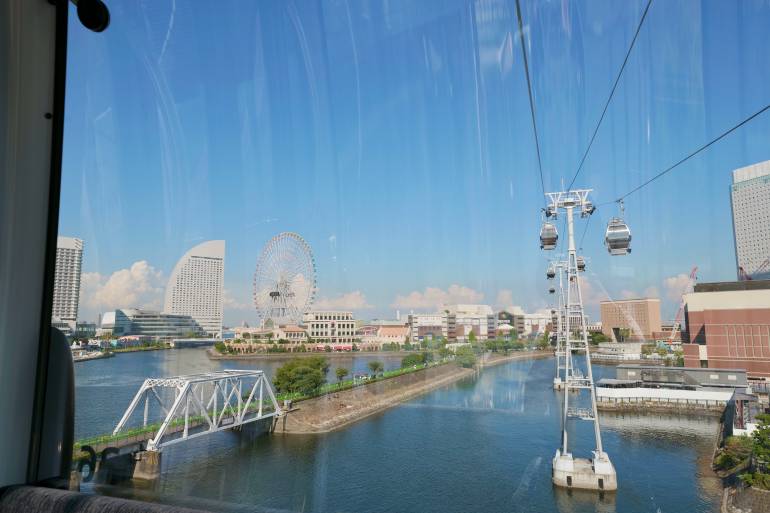
We highly recommend experiencing Yokohama’s incredible views from the skies, with a ride on the Yokohama Aircabin. As Japan’s first urban air cabin, it connects Sakuragichio Station to Unga Park, offering 360-degree views of the Cosmo World amusement park and the surrounding area.
While beautiful during the day, the Aircabin truly shines at sunset. Time your ride right to soar acorss colorful skies, and watch the giant Ferries wheel light up.
The ride takes less than 10 minutes and is a great way to travel if your feet are sore after a long day. A one-way ticket costs ¥1,000 for adults and ¥500 for children.
You can buy tickets in advance on KKday or Rakuten Travel Experiences. Alternatively, you can also purchase tickets before your board at the station.
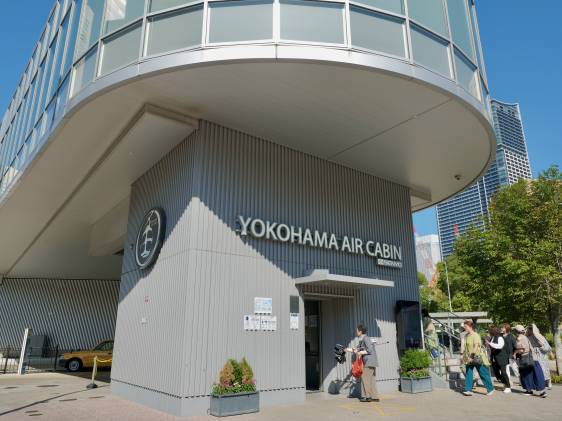
1-200 Sakuragicho, Naka Ward, Yokohama, Kanagawa
10 a.m. to 9 p.m. Mon-Fri; 10 a.m. to 10 p.m. Sat-Sun
Adults: ¥1,000
Cosmo World
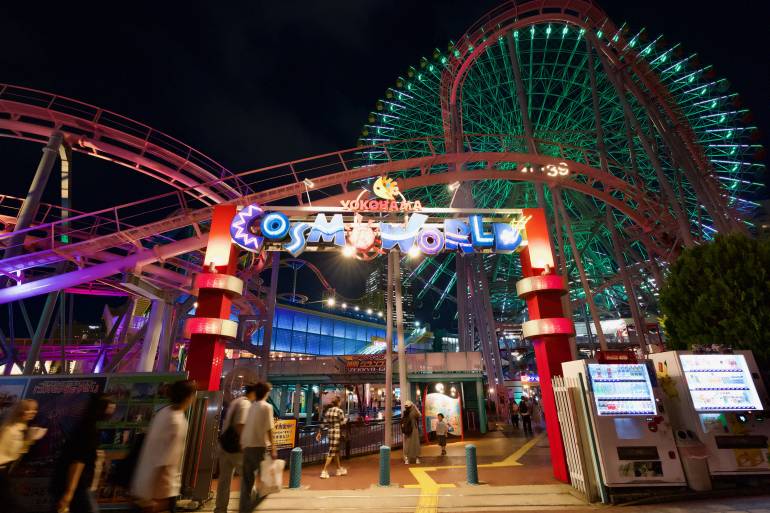
Arguably the centerpiece of the Minato Mirai area, Cosmo World is an amusement park with rides that both kids and adults can enjoy.
The park is divided into several areas: Wonder Amuse Zone, Burano Street Zone, and Kids Carnival Zone.
The Wonder Amuse Zone features major attractions like the iconic COSMO CLOCK21 Ferris wheel — the main landmark of the area. There is also the Diving Coaster Vanish! (a personal favorite), a log flume ride, and more.
The Burano Street Zone is known for its amusmement houses, including a Haunted House and Ice World. Children will love the tame cycle monorail, merry-go-round, and other kiddie rides in the Kids Carnival Zone.
Although admission is free, ride tickets range from ¥100 to ¥1,000. If you plan to ride the Aircabin, you can also purchased a combined ticket that includes both the Aircabin and the COSMO CLOCK21 Ferris wheel.
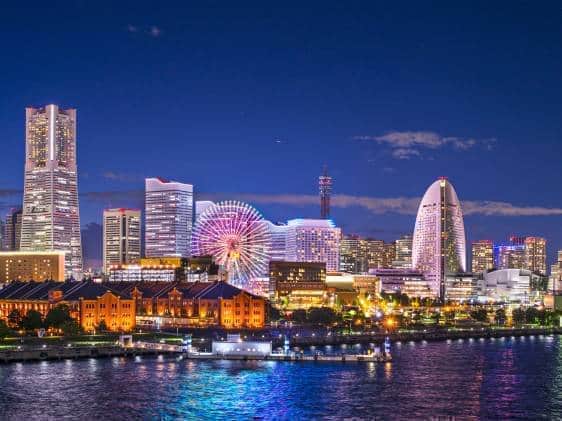
Japan, 〒231-0001 Kanagawa Prefecture, Yokohama, Naka Ward, Shinko, 2 Chome−8番1号
Weekdays 11:00am-9:00pm / weekends 11:00am-10:00pm Closed on Thursdays, Irregular holiday
Eat and be merry in the bars and izakaya of Noge
3-minute walk from Sakuragicho Station
Prices vary from place to place

Pro tip: Experience the best of Noge on a Noge bar-hopping tour.
Close to the revitalized area of Sakuragicho, Noge was left behind when the renovation of Yokohama began, and remains a densely packed, perhaps “slightly sketchy” area (by Japan’s standards at least). This makes it one of the best spots to visit, as you can experience Japan as close to its Showa past as possible.
With dusty bars, grubby neon lights ad plenty of music, the area has a charm to it. You’ll always see plenty of happy customers, with locals and Tokyoites making the trip down for jazz and drinks hard to find elsewhere.
In October every year, Noge is host to the Yokohama Jazz Festival, but there are small gigs throughout the year, with each bar hosting international and local performers.
Wander the streets and duck into any spot that takes your fancy, be it a yakitori joint with plenty of beer or a smoky jazz club with wine and cigars … just don’t forget to catch your last train back to Tokyo!
Bonus ideas for a Yokohama day trip
Hikawa Maru Floating Museum
3-minute walk from Exit 4 of Motomachi-Chūkagai Station
¥300
The Hikawa Maru once sailed the seas as an ocean liner, carrying passengers including Charlie Chaplin, as well as hundreds of Jewish refugees fleeing Nazi persecution, before becoming a hospital ship in WWII.
Now docked permanently in Yokohama’s Yamashita Park, she is a museum, painstakingly maintained with art-deco lounges, luxurious cabins and classic design. A cultural asset of the city, the ship is worth a visit for a glance into the past.
Enjoy some matcha
3-minute walk from Yokohama Station
¥660 to ¥2,000
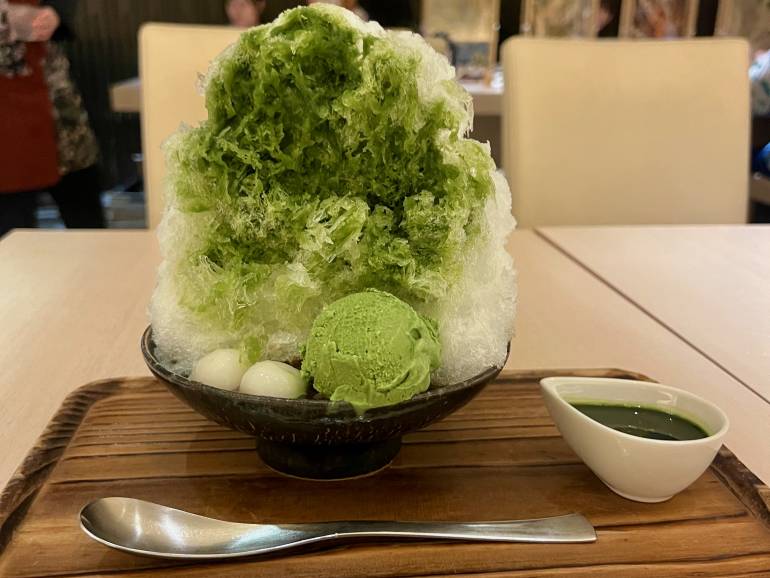
Although Yokohama isn’t as famous for matcha as its more traditional neighbor Kamakura, the area is full of cafés where you can enjoy powdered green tea.
One recommended spot is Kyo Hayashiya, located inside SOGO, one of the area’s most established shooping complexes. Originating in Kyoto, this tea shop and café is known for its matcha and gyokuro, both sourced straight from Uji. If you’re feeling peckish, you can indulge in matcha desserts such as cakes, anmitsu, and kakigori.
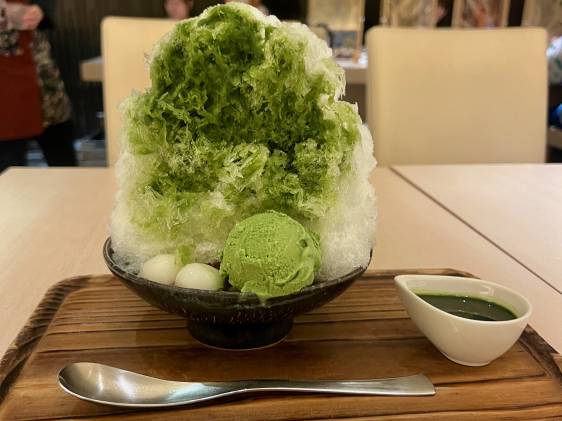
京はやしや そごう横浜店
2-18-1 Yokohama Sogo 10F, Takashima, Nishi Ward, Yokohama, Kanagawa
11 a.m. to 11 p.m. Mon-Sun
View this post on Instagram
FAQs
What is Yokohama famous for?
Given that it’s a port city, Yokohama has a long history of connecting Japan to the rest of the world. It was one of the first Japanese ports to engage in foreign trade. In addition to its historical significance, Yokohama is known for having the largest Chinatown in Japan, and a unique international, classic futuristic vibe, especially in areas like Minato Mirai (which means “Harbor of the Future”).
How long to spend on a Yokohama day trip?
To make the most of your trip to Yokohama, we recommend dedicating an entire day. This allows you to enjoy the beauty of Yokohama both during the day and at night. You might even consider basing yourself here instead of Tokyo; there are many good accommodation options in the area, and it offers a less chaotic alternative to the capital city.
While we do our best to ensure it’s correct, information is subject to change. Article first published in 2018. Last updated in October 2025, by Jane Pipkin.

